High Water Bill Letter From Thames Water? Leak Allowances Explained
Thames Water's high-usage letters mean a smart meter has detected continuous flow — usually a leak. Here's how to confirm which side of the boundary it's on, whether Thames Water will fix it, and how to claim the leak allowance that refunds your excess charges.
A letter from Thames Water saying your water use is unusually high is rarely good news, but it is not a bill you simply have to swallow. It usually means a smart meter has recorded water flowing continuously, day and night — which almost always points to a leak. The good news: act quickly, confirm where the leak is and get it fixed, and Thames Water will usually credit back most of the excess charges through a leak allowance. This guide explains what the letter means, whose pipe is leaking, what Thames Water will and will not pay for, and how the claim works — including what Affinity Water and SES Water do for households on the edges of London.
What the high-usage letter actually means
Thames Water has been rolling out smart meters across London for several years, and the high-usage letters are a direct result. Unlike old-style meters read twice a year, smart meters report consumption in short intervals; when the system sees flow that never drops to zero — homeowners commonly report a figure of around 48 litres per hour, around the clock — it flags a probable leak and generates a letter.
The letter usually says three things:
- Continuous flow has been detected, sometimes with the litres-per-hour figure and the date it started.
- You have a deadline — leaks on your property must be repaired within four weeks of you finding out about them. Some letters quote a six-week overall window with the four-week repair deadline inside it.
- You may qualify for a leak allowance if you repair promptly, meaning the lost water can be credited back.
The stakes are real. The average Thames Water household bill now sits around £639 a year (2026/27), and a continuous 48 litres per hour is over 1,100 litres a day — roughly three times what a typical three-person household actually uses. Left for six months, that can add several hundred pounds to a metered bill. If your bill has already jumped and no letter has arrived, our guide to a suddenly high water bill covers the same detective work from the other direction.
One caveat: the letter says you may have a leak, not that you definitely do. Smart meter faults and misattributed readings happen, and a minority of these letters are false alarms — which is why the first step is a simple test you can do yourself.
Step one: the meter test — confirm the leak and which side it is on
Before you spend anything on plumbers or detection, spend twenty minutes with your water meter. This test tells you whether water really is escaping, and whether it is escaping inside your home or from the buried supply pipe outside it — the distinction that decides who is responsible and how strong your allowance claim will be.
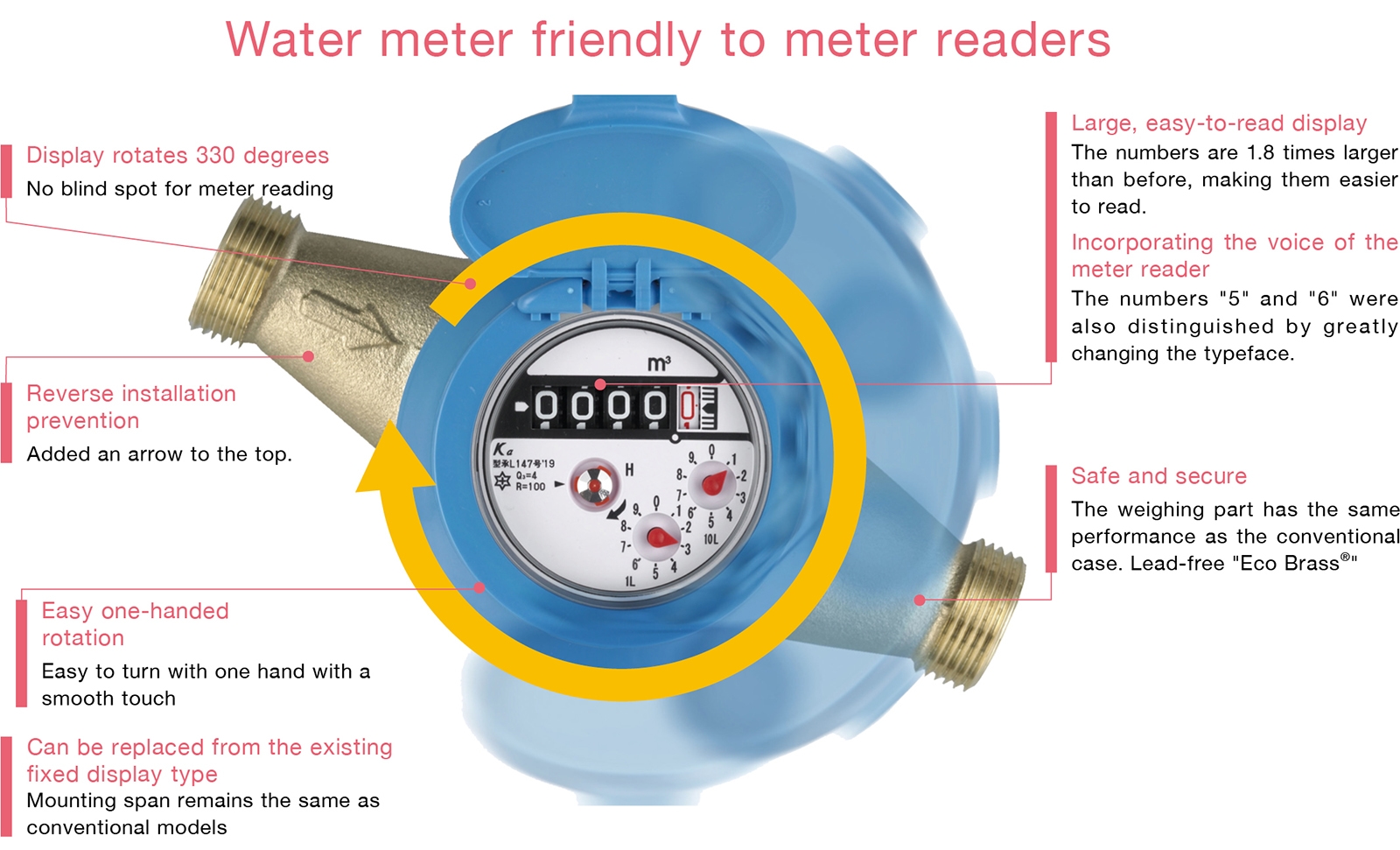
- Find your meter. In London it is usually under a small cover in the pavement or driveway near your boundary, sometimes inside near the internal stop tap. If you have never located your stop tap, read our guide on finding and turning off your stop tap in London first.
- Stop all water use — no taps, no appliances, no toilet cisterns refilling.
- Watch the meter. Note the full reading including the red digits, wait 30–60 minutes with no water used, and read it again. Any movement with everything off means water is escaping somewhere.
- Now close the internal stop tap (usually under the kitchen sink) and check the meter again:
- Meter still moving with the stop tap closed — the leak is on the underground supply pipe between the meter and your house: outside, buried, and invisible.
- Meter stops when the stop tap is closed — the leak is inside the property: commonly a passing toilet flush valve, a dripping overflow, a hidden pipe under the floor, or the central heating filling loop.
A ticking meter is such a common first clue that we wrote a separate piece on why your water meter keeps spinning. If the test points inside and nothing visible explains the volume — a dripping tap cannot lose 1,000 litres a day — you are probably dealing with a concealed leak, which is where professional leak detection earns its keep.
Whose pipe is it? Communication pipe vs supply pipe
Water pipe ownership in England follows a rule that surprises most homeowners: you own more of the pipe than you think.
| Section of pipe | Where it runs | Who is responsible |
|---|---|---|
| Water main | Under the road or footpath | Thames Water |
| Communication pipe | From the main to your property boundary, usually up to and including the external stop valve or meter chamber | Thames Water |
| Supply pipe | From the boundary, under your garden or drive, into the house | You (the property owner) |
| Internal plumbing | Everything past the internal stop tap: pipework, tanks, toilets, heating | You |
| Shared supply pipe | One pipe feeding several homes — common in terraces and converted flats | Jointly, all properties served |
The boundary point is normally the external stop valve, which in most London streets sits in the pavement just outside your front wall. If the meter test (or a Thames Water technician) shows the leak is on the communication pipe or the main itself, the repair is entirely Thames Water's responsibility and cost — report it and chase it. If it is on your supply pipe, the repair is legally yours, and the four-week clock is running: under Section 75 of the Water Industry Act 1991, Thames Water can serve a formal notice and, if you still do nothing, do the repair itself and bill you. Notices matter for another reason too — a leak repaired only after a Section 75 notice is excluded from the leak allowance.
Shared supply pipes deserve special mention because London's terraced streets are full of them. If one pipe feeds four houses, all four owners share responsibility for the common section, and disputes about who pays are a recurring forum theme. Pinpointing where along the shared run the leak sits — something underground leak detection with acoustic and tracer-gas equipment can usually do to well within a metre — often settles the argument before it starts.
Will Thames Water fix it for free?
This is the question everyone asks, and the honest answer is: sometimes, but do not rely on it. Thames Water has historically operated a one-off free or subsidised repair for straightforward external supply pipe leaks — a single "first fix" gesture — and technicians attending a smart-meter alert will sometimes still make a simple boundary-area repair at no charge. The current published guidance, however, puts responsibility squarely on the homeowner: check your buildings insurance, get quotes, and arrange the repair yourself within four weeks. Free technician visits to help locate a leak are still offered in many letters, and customers on financial support or priority services registers may get extra help with repair costs.
So when Thames Water contacts you, ask directly: "Will you repair this, and is there any charge?" You lose nothing by asking, and homeowners do still report free boundary-area fixes. But plan on the basis that a supply pipe repair is yours to organise — and note that buildings insurance may cover locating the leak and reinstating floors or walls even where it excludes the pipe itself, as our guide to trace and access insurance cover explains.
The leak allowance: getting the excess charges back
The leak allowance credits back the cost of water you never actually used. Understand the rules and the claim is usually straightforward; miss a deadline and you can lose hundreds of pounds.
Who qualifies
- You are on a water meter — unmetered customers pay a fixed charge, so there is nothing to credit.
- The leak was repaired within four weeks of you being notified or discovering it.
- You claim within three months of the repair date.
- The leak was not caused by negligence, and you did not knowingly leave it running.
- The repair was not forced through a Section 75 notice.
What you get
Thames Water compares your consumption during the leak with your normal historical usage (or a typical figure for a similar household) and credits the difference. The allowance covers the lost water, not the repair cost — plumber, detection and reinstatement bills are yours or your insurer's. Backdating is capped at two years unless the leak was on Thames Water's own pipework. There is also a wastewater dimension: water lost from an underground supply pipe never reaches the sewer, so the sewerage element of the charges should be adjusted too — check the adjusted bill carefully, as sewerage is a meaningful slice of the total.
One thing the published policy leaves discretionary but industry practice makes clear: the freshwater allowance for a supply pipe leak is generally a once-per-property (or once-per-occupier) goodwill gesture. A second leak a few years later may get a wastewater adjustment but no freshwater credit — a strong argument for renewing a corroded old pipe in one go rather than patching it and waiting for the next pinhole.
Evidence you need
- Proof of repair — your plumber's invoice describing what was fixed and where, or the Thames Water job number if they did the work.
- Meter readings before, during and after the leak, showing consumption returning to normal.
- A leak detection report if the leak was concealed. A dated, photographed report showing exactly where the leak was found supports the allowance claim and doubles as the evidence your insurer needs for any damage claim. Our trace and access reports are written for precisely this purpose and delivered within 48 hours.
Timelines: from letter to credit
| Stage | Deadline / typical time |
|---|---|
| Letter received → meter test done | Same day — 20 minutes of your time |
| Professional leak detection (if the leak is hidden) | 1–3 days to book; the survey itself takes 2–4 hours |
| Repair completed | Within 4 weeks of notification — the hard deadline for the allowance |
| Leak allowance claim submitted | Within 3 months of the repair date |
| Thames Water processes the claim and credits the account | Typically 4–8 weeks; may include a check meter reading to confirm usage is back to normal |
| Maximum backdating of the allowance | Up to 2 years — longer only if the leak was on Thames Water's pipe |
The pattern that catches people out is drift: the letter sits in a drawer, a plumber cannot find the leak, three weeks vanish, and the four-week window closes. If a first visit has not located the source, escalate to specialist detection quickly rather than paying for repeat exploratory call-outs — or exploratory holes in your floors.
What homeowners report on Reddit and forums
Threads on MoneySavingExpert, r/AskUK, r/DIYUK and the trade forums paint a consistent picture. One recurring story is the false alarm: several posters found the flagged flow traced back to a smart meter fault or misread — a good reason not to authorise expensive work on the strength of the letter alone. The opposite story recurs too: households discovering their real usage was ten times normal — in one widely discussed case over 4,000 litres a day against a typical 370 — the culprit an old lead supply pipe that had been quietly leaking underground for years and was only exposed when the smart meter went in.
Common frustrations include letters arriving dated after the leak was already fixed, difficulty booking the promised free technician visit through the QR code on the letter, long waits to reach the billing team, and confusion over shared supply pipes — including Section 75 notices landing on one household for a leak on a pipe serving several. The consensus advice from people who have been through it: do the stop-tap meter test before anything else, photograph every meter reading, keep every invoice, and put the claim in writing promptly. Those who supplied clear evidence generally report the allowance being paid without a fight; those who let the repair drift past four weeks generally did not get it.
What Affinity Water and SES Water do
Not every London borough gets its fresh water from Thames Water. Parts of north and west outer London — Harrow, the Barnet fringes, parts of Enfield and Hillingdon — are supplied by Affinity Water, and the Sutton and east Surrey fringe by SES Water; Thames Water usually still handles the wastewater side of the bill.
- Affinity Water runs a Customer Supply Pipe Leak Repair Scheme under which it can carry out a repair on your behalf, provided the pipe is in good condition — badly corroded pipes get an emergency patch at best, with a full renewal down to you. Its leakage allowance covers supply pipe leaks (plumber's bill required, waived if Affinity did the repair) and, at its discretion, hidden internal leaks such as pipes under floors.
- SES Water offers a one-off Leak Assistance Scheme: its contractor will locate and fix a proven external supply pipe leak free of charge, or subsidise a full renewal where repair is not viable. After a scheme repair it automatically considers a leak allowance, taking check readings to confirm consumption is back to normal and removing the extra charges the leak caused.
The moral: check who actually supplies your fresh water before assuming Thames Water's rules apply. The claim principles are similar everywhere, but the free-repair schemes differ meaningfully.
Where professional leak detection fits in
If your meter test shows an underground supply pipe leak, or an internal leak you cannot see, the economics favour finding it precisely before anyone digs or lifts a floor. We locate leaks non-invasively using acoustic equipment, tracer gas, thermal imaging and pipe tracing, across all 32 London boroughs. Our detection rate is fixed and agreed at booking — typically £340–£680 — with a genuine no find, no fee promise, and any repair quoted before work starts. You get an insurer-ready report within 48 hours, which doubles as evidence for your Thames Water leak allowance claim. Full detail on pricing is in our leak detection cost guide and on our pricing page.
A high-usage letter is a nudge, not a fine — but it is a nudge with a four-week fuse. Do the meter test today; if it confirms a leak you cannot see, get in touch and we will pinpoint it, quote the repair before any work starts, and give you the report that gets your money back.
Frequently asked questions
What does a Thames Water high usage letter mean?
It means a smart meter has recorded water flowing through your supply continuously, often around 48 litres per hour at all times of day, which usually indicates a leak. It is a warning, not a fine: Thames Water expects the leak repaired within four weeks and may then credit back the excess charges through a leak allowance. A minority of letters turn out to be smart meter faults, so confirm the leak with a meter test before paying for any work.
How do I tell if the leak is inside my house or on the supply pipe?
Turn off all water use and watch the meter for 30 to 60 minutes; any movement confirms a leak. Then close the internal stop tap and check again. If the meter keeps moving, the leak is on the buried supply pipe between the meter and your house. If it stops, the leak is inside — often a toilet flush valve, hidden pipework under a floor, or the central heating filling loop. This twenty-minute test decides responsibility and shapes your allowance claim.
Will Thames Water repair a supply pipe leak for free?
Sometimes, but do not count on it. Thames Water has historically offered a one-off free or subsidised repair on external supply pipes, and technicians still occasionally fix simple boundary-area leaks at no charge, but current guidance makes the repair the homeowner's responsibility. Always ask directly whether they will repair it and whether there is a charge. Customers on financial support or priority services registers may get extra help. Affinity Water and SES Water run more formal repair schemes.
How much money can I get back with a Thames Water leak allowance?
Thames Water compares your metered consumption during the leak with your normal usage and credits the difference, including an adjustment to sewerage charges because leaked supply-pipe water never enters the sewer. The allowance can be backdated up to two years, but it covers only the lost water — not plumber, detection or reinstatement costs. In practice the freshwater element is usually granted once per property, so a second leak may only receive a wastewater adjustment.
What evidence do I need for a leak allowance claim?
Three things: proof of repair (a plumber's invoice describing what was fixed and where, or a Thames Water job number), meter readings before and after showing consumption back to normal, and — for concealed leaks — a leak detection report pinpointing the source. The repair must be completed within four weeks of notification and the claim submitted within three months of the repair date. A professional trace and access report also supports any insurance claim for damage.
What if the leak was caused by my own negligence or I ignored it?
Thames Water refuses leak allowances where the leak resulted from negligence, where you knew or should reasonably have known about it and failed to act, or where the repair only happened after a Section 75 enforcement notice. That is why speed matters: do the meter test the day the letter arrives, book detection promptly if the leak is hidden, and keep dated evidence of every step so you can show you acted as soon as you became aware.