How to Turn Off Your Water: Finding the Stop Tap in a London Home
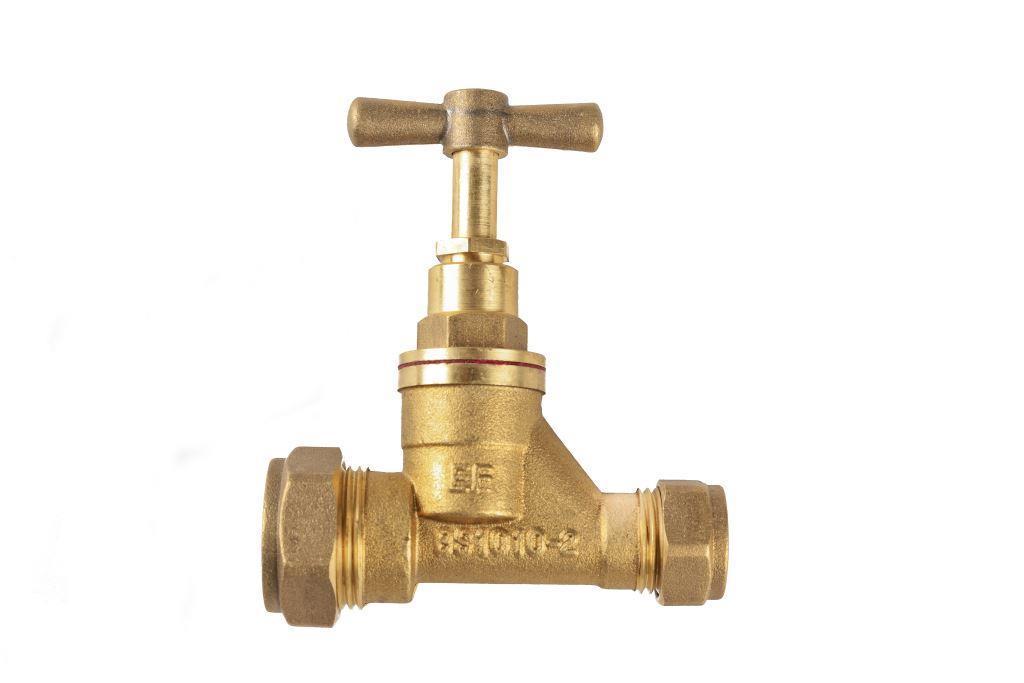
The most valuable 10 minutes of home admin you will ever do: find both of your stop taps before you need them.
When a pipe bursts, the cost of the incident is set by one number: how many minutes water flowed before someone stopped it. Everything else — the plumber, the drying, the insurance — is cleanup. This guide is the ten-minute preparation that changes that number from thirty to two.
The internal stop tap
Every home has (or should have) an internal valve where the mains enters the property. In London housing stock, look in this order:
- Under the kitchen sink — the most common spot in houses and conversions;
- Where the supply enters — front hallway floor, under the stairs, or a front-of-house cupboard in terraces;
- Bathroom or airing cupboard — common in purpose-built flats;
- Utility cupboard by the front door — the norm in modern blocks, sometimes labelled.
It is usually a brass valve with a tap-style head on the incoming 15mm or 22mm pipe. Clockwise closes it. Test it gently today: a stop tap that has not turned in a decade often will not turn at all — and the time to discover that is not during a flood.
The outside stop valve
At the property boundary, under a small hinged cover marked "W", "Water" or the supplier's name, sits the external valve — often shared in older terraces, individual in newer builds. It may need a stop tap key (a long T-handled tool, a few pounds from any DIY shop) to reach and turn. If your internal tap is seized or inaccessible, this is your fallback — which is why the stop tap key belongs in your home now, not on a shopping list during an emergency.
Flats: know your isolation points
In blocks and conversions the picture varies: some flats have a full stop tap, some only service valves on individual appliances, and some are isolated from a communal riser cupboard on the landing. If you rent, ask your landlord or agent to show you — they are obliged to know. If you own, trace it once and label it.
The emergency sequence
- Close the stop tap (internal first, external if needed).
- Open the cold taps at sink and bath to drain the pipework and drop the pressure feeding the leak.
- Switch off the boiler and, if water is near electrics, the affected circuits at the consumer unit.
- Contain and move — buckets under active drips, valuables and electronics away from the water path.
- Call an emergency plumber — with the water off, you have converted a crisis into an appointment.
A note on seized stop taps
Old brass stop taps seize open with scale and disuse. Do not force one with a wrench — the spindle can shear, converting a working valve into a permanent problem. Gentle back-and-forth working, a little penetrating oil, and patience. If it will not move, have it replaced in planned time; a plumber can fit a modern quarter-turn lever valve that your household can operate instantly.
Ten minutes today: find both valves, test them gently, buy the key, show everyone in the house. It is the cheapest insurance you will ever arrange.
Frequently asked questions
My stop tap turns but the water doesn’t stop — why?
Old gate-type stop taps wear internally; the head turns but the gate no longer seals. You may also be closing a valve on a branch rather than the main. Use the outside stop valve to isolate, then have the internal tap replaced.
Is the outside stop valve mine to use?
Yes — using it to isolate your supply in an emergency is expected. In shared-supply terraces it may cut water to neighbours too, so knock and tell them. Repairs to the valve itself belong to the water company; report a broken one.
Should tenants turn the water off themselves in a leak?
Absolutely — stopping damage is always right, and no reasonable landlord objects. Then notify the landlord or agent immediately and photograph everything for the record.