No find no feeNon-invasive
Leak Detection
Hidden leaks pinpointed without opening floors or walls — acoustic, thermal and tracer gas methods, no find no fee.
Learn moreAs a leak specialist rather than a general plumber, we locate hidden water leaks to centimetres with acoustic, thermal and tracer gas technology — then repair them properly. Across London and out to the M25.
32
London boroughs covered
Same-day and next-day appointments
4
Methods on every visit
Acoustic, thermal, tracer gas, moisture
No find
no fee
You only pay if we locate the leak
48hr
Insurer-ready reports
Trace & access for your claim
Diagnosis, not demolition
Our job is to find it before the damage spreads — and without turning your home into a building site to do it.
Hidden leaks pinpointed without opening floors or walls — acoustic, thermal and tracer gas methods, no find no fee.
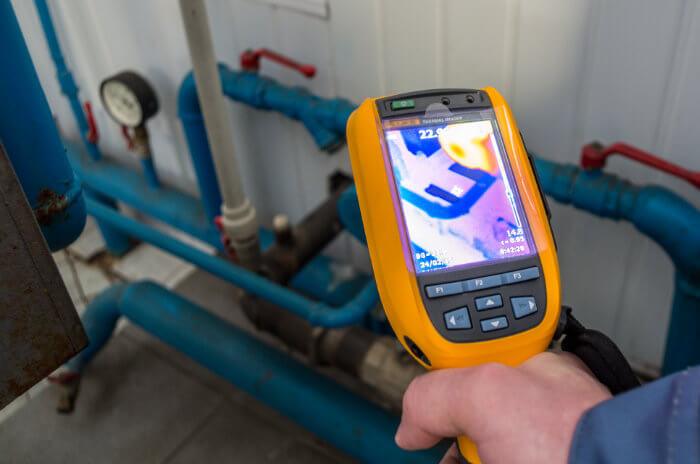
Learn moreInfrared cameras reveal wet floors, warm heating runs and moisture spread in minutes — with image evidence included.
Learn more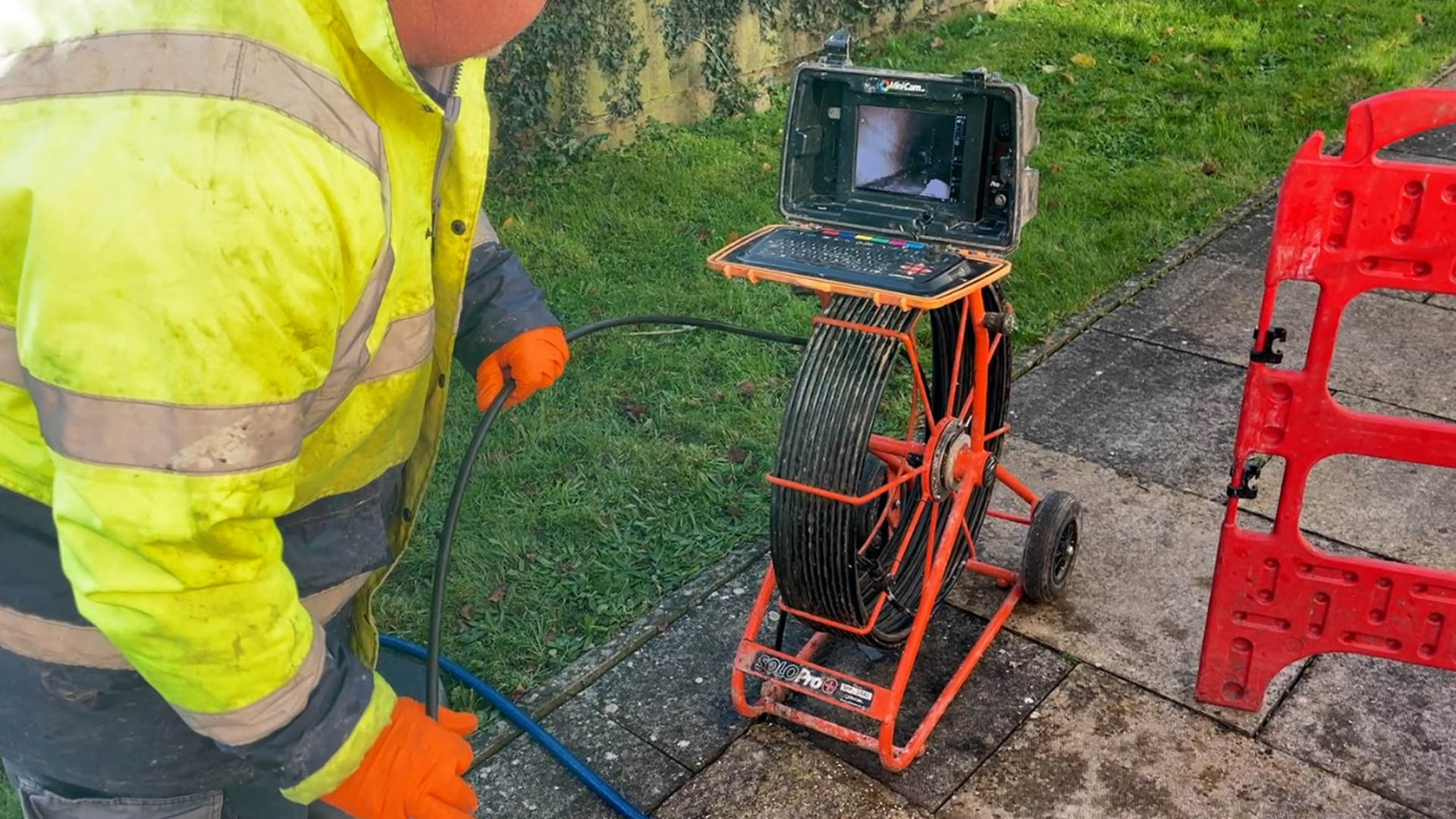
Supply pipe and mains leaks located under gardens, driveways and concrete — one marked point, one small excavation.
Learn more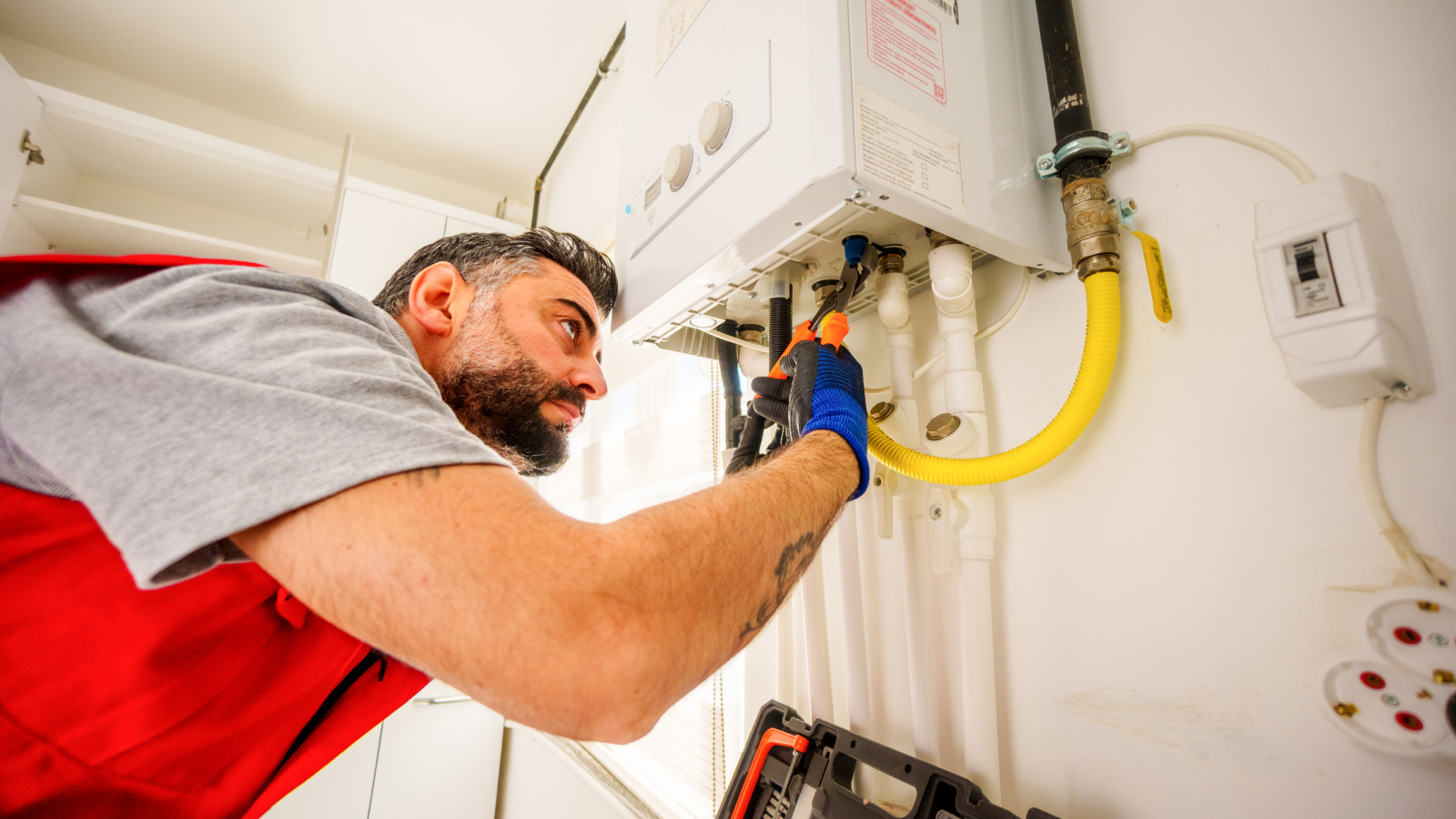
Boiler losing pressure? We trace central heating and underfloor heating leaks to centimetres before anything is opened.
Learn more
Bursts, failed stop taps, blocked toilets and active leaks — urgent response with pricing agreed before we travel.
Learn moreInsurer-ready documentation of cause, origin and damage — the evidence your escape-of-water claim depends on.
Learn moreBefore you call anyone
Most leaks we find were sending one of these signals for months. Two or more together is worth a survey.
Topping up the filling loop every few weeks means water is escaping the sealed side — usually a heating pipe or an underfloor loop under the screed.
Note the reading, leave every tap and appliance off for an hour, read it again. Movement is water leaving the system, and it is the single most reliable test you can run yourself.
A supply pipe leaking underground shows up on the bill long before it shows up on the surface, because the water soaks away into the ground.
A warm strip across a tiled or wooden floor is a heating pipe losing hot water beneath it — you are feeling the leak, not the pipe run.
Repainted ceilings that yellow again within weeks mean the source was never found. The plaster is being re-wetted from above.
Trapped moisture in a void smells before it shows. By the time a patch appears, water has usually been sitting there for weeks.
Four ways to find one leak
Ground microphones and correlators follow the sound of escaping water through floors, walls and soil.
Infrared cameras map temperature anomalies — hot pipe runs, cold evaporation patches, spreading moisture.
A safe hydrogen mix escapes through the same hole the water does, and rises straight to our detector.
Calibrated meters profile how far water has actually travelled — the evidence layer behind every report.
Specialist or plumber
A plumber fixes the pipe. A leak specialist works out which pipe it is, and where, while the floor is still down.
Every engineer we send is a qualified plumber. The difference is not the trade — it is arriving with correlators, thermal cameras, tracer gas and calibrated moisture meters instead of a torch and a guess.
A general call-out finds what is visible or audible. When water is under screed or inside a wall, the usual next step is to open something and look. A leak detection specialist narrows a wet ceiling to one pipe before anything is lifted.
A specialist survey produces cause, origin and moisture readings in the form UK insurers ask for. That paperwork is what turns a trace and access claim into a payment.
Read the longer comparison in leak detection specialist vs plumber, or go straight to leak detection in London.
Booking to fixed
01
Damp patch, dropping boiler pressure, spinning meter, unexplained bill — the pattern tells us where to start.
02
The hourly rate is fixed before you book and never exceeded. No find, no fee stands on every visit, so a search that finds nothing costs you nothing.
03
We locate the leak to centimetres, repair it on the day where possible, and document everything for your insurer.
Rates, in public
Every rate below is hourly, quoted before you book, and never exceeded — whatever we find when we arrive. A typical domestic survey runs two to four hours.
£170per hour
Acoustic, thermal and moisture testing across a domestic property.
£200per hour
Pressure-loss diagnosis on sealed systems and UFH loops.
£200per hour
Survey plus the written report your insurer needs.
£200per hour
Buried supply pipes under gardens, drives and concrete.
from £175per hour
Calibrated profiling of how far water has actually travelled.
from £220per hour
Out-of-hours and same-day attendance on active leaks.
Two to four hours at the standard rate puts most domestic leak detection between £340 and £680. If we attend a confirmed live leak and cannot find it, no find no fee means you pay none of it.
Full pricingEverything we do
Core services
Reports & blocks
Local everywhere
Victorian terraces, mansion blocks, new-build towers — every borough leaks differently, and we know the patterns.
Across Greater London
From inner-city mansion blocks to outer-borough semis — acoustic, thermal and tracer-gas leak detection, and emergency plumbing, wherever you are.
Coverage across all 32 Greater London boroughs and out to the M25. Map data © Google.
Guides
Leak Detection
A leak detection specialist and a plumber are not competing trades — one finds the leak, the other fixes the pipe. What the instruments actually do, what no find no fee covers, what an insurer needs in the report, and the cases where calling a specialist is the wrong move.
9 min readLeak Detection
A hidden underground leak bills you for every litre that escapes. A leak allowance puts part of that money back — but only against evidence. What the allowance covers, who qualifies, what paperwork is asked for, and why it is not the same thing as an insurance claim.
7 min readInsurance
Water is coming through your ceiling, or seeping from a wall, and nobody will admit it is their problem. Here is how responsibility actually works in a London flat, who commissions detection, how block insurance fits in, and why an independent report on cause and origin ends the argument.
13 min readLeak Detection
Thames Water maintains the water main and the pipe up to your boundary. The private supply pipe from the boundary into your home is yours to repair. Here is how to work out which side a leak is on, what Thames Water will and will not fix, and what to do when the leak turns out to be yours.
9 min readBefore you book
Detection is charged by the hour at a fixed rate — quoted when you book and never exceeded, whatever we find on arrival — and covered by no find, no fee, so the hours only become a bill if we locate your leak. A standard domestic visit takes two to four hours and includes acoustic, thermal and moisture testing, with tracer gas added for stubborn leaks. Repairs are quoted separately — see our pricing page for current rates.
Correct. If we attend a confirmed live leak and fail to locate it, the detection fee is waived. It keeps the incentive honest: we get paid for finding leaks, not for visiting.
Usually. Our detection engineers are qualified plumbers carrying pipe and fittings, so straightforward repairs happen on the day. Larger repairs — buried mains, underfloor heating loops — are quoted precisely once the leak is marked.
Most buildings policies include trace and access cover, which pays for locating a hidden leak and making good the access. Our reports are structured for UK insurers and routinely accepted without a follow-up visit.
Ask three things before you book anyone: whether the rate is hourly and capped, whether no find no fee is genuine, and what equipment is actually coming. A firm charging a low hourly rate with no cap can bill more hours than a capped one and still leave without a result. We quote a fixed hourly rate that is never exceeded, and if we attend a confirmed live leak and cannot locate it, there is no fee. Proximity matters less than it sounds — we hold same-day slots across inner London and reach anywhere inside the M25 the same or next day.
A standard survey starts with the symptoms and the meter, then works through acoustic listening, thermal imaging and calibrated moisture mapping, adding tracer gas where a leak stays stubborn. You get the leak marked to centimetres, photographs of what the cameras and meters showed, and a written summary of cause and origin. Where the claim needs it, that becomes a trace and access report structured for UK insurers.
All 32 London boroughs, the City of London, and everywhere else inside the M25 — which takes in the near parts of Essex, Hertfordshire, Surrey, Kent and Buckinghamshire. Same-day appointments are usually available in inner London, and next-day almost everywhere else.
Stop using that shower or bathroom immediately and turn off the water at the isolating valve or stopcock. A stained, bulging or dripping ceiling below a wet room usually means water is escaping from the shower tray seal, waste, or a supply pipe under the floor. Catch drips, move valuables clear, photograph the damage for your insurer, then book a detection visit — we trace whether it is the seal, the waste or a pressurised pipe before anyone opens the ceiling.
Never ignore it. Even a small brown patch means water is already sitting in the ceiling void, and plasterboard that stays wet loses strength and can sag or collapse without much warning — sometimes within days if the leak is active, sometimes over weeks with a slow drip. Treat a spreading stain, a soft or bulging area, or drips as urgent. A stain that is dry and unchanged may be historic, but it still needs the source ruled out.
The reliable checks are your water meter and boiler pressure. Turn off every tap and appliance, note the meter reading, wait an hour and check again — any movement means water is escaping. A combi boiler that keeps losing pressure, an unexplained rise in your bill, warm patches on the floor, a musty smell or faint running-water sound are the other classic signs of a slow hidden leak. Two or more together is a strong prompt to investigate.
Most UK buildings policies cover sudden escape of water and include trace and access — the cost of locating a hidden leak and making good the floors or walls opened to reach it, with typical caps of £5,000 to £15,000. Gradual leaks, wear and poor maintenance are commonly excluded, and the repair of the failed pipe itself is often your responsibility. Our reports are written to distinguish a sudden failure from gradual wear, which is what keeps a claim payable.