Water Bill Suddenly High? How to Tell If You Have a Hidden Leak
A jump of 20% or more in metered water use, with no change in household habits, deserves investigation. Here is the checklist.
Water companies in London bill most homes by meter, which makes your bill an accidental leak detector. When consumption jumps and nothing about your household has changed, water is going somewhere it shouldn't — and it rarely announces where.
First, rule out the boring explanations
- More people at home — guests, a new baby, teenagers discovering long showers. A single extra person typically adds 140–150 litres a day.
- New appliances or habits — a garden watering system, a pressure washer, a water softener recharging too often.
- Estimated versus actual readings — check whether previous bills were estimates. A first actual reading after several estimates can look like a spike when it is really a correction.
Then run the five-minute checks
The meter test
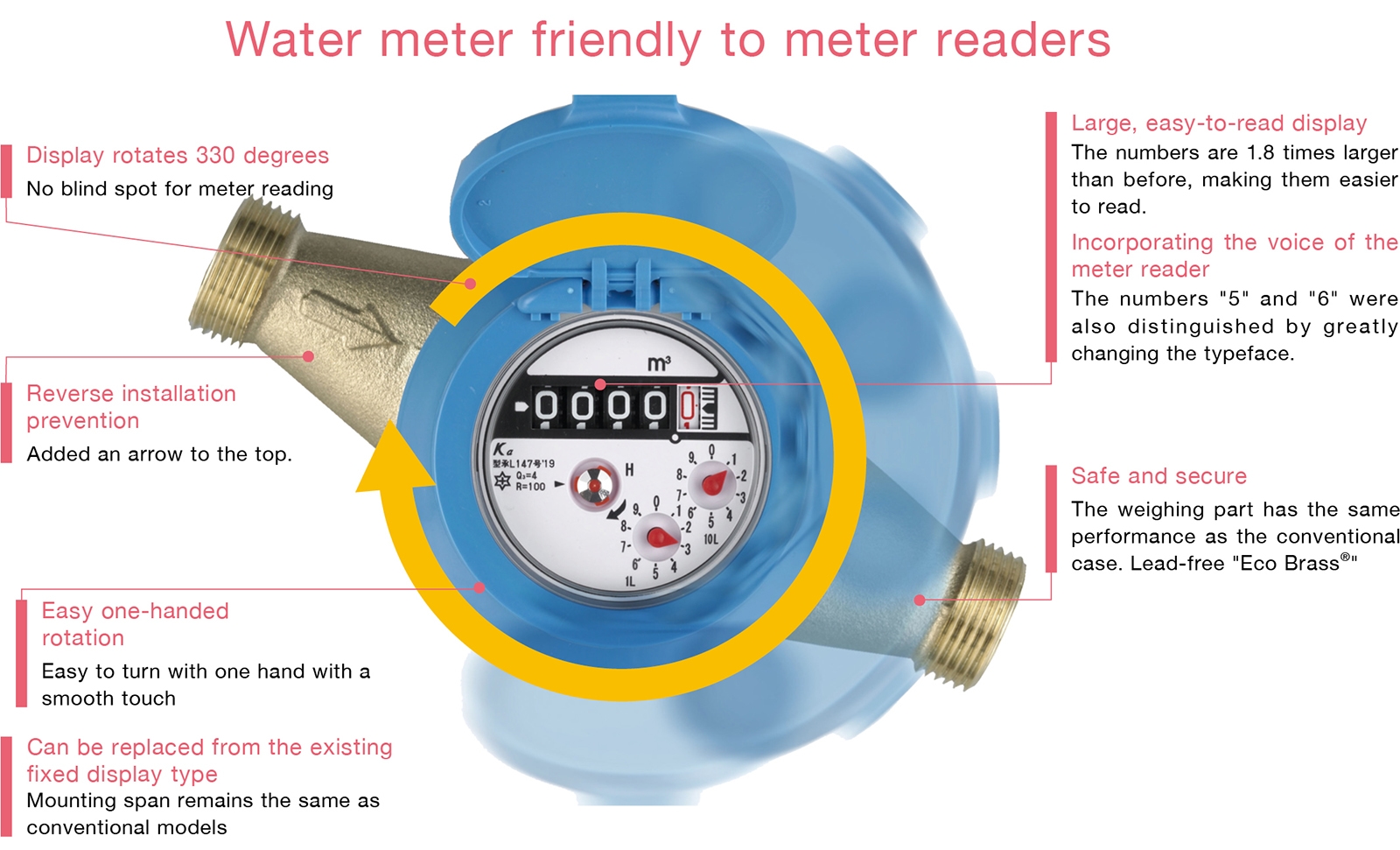
Turn off every tap and water-using appliance. Find your meter (usually in the footpath outside, sometimes under the kitchen sink) and watch it for a few minutes. Any movement with everything off is a live leak. Note whether the small flow indicator creeps or spins — creep suggests a small leak like a passing toilet valve; spinning suggests something substantial.
The stop tap split test
Close your internal stop tap and watch the meter again. Still moving? The leak is on the underground supply pipe between the meter and your home — the section that is legally your responsibility. Stopped? The leak is inside the property.
The toilet dye test
Leaking toilets are the most common hidden water-waster in London homes and completely silent. Put a few drops of food colouring in the cistern, wait 30 minutes without flushing, and check the bowl. Colour in the bowl means the flush valve is passing — a repair that pays for itself within months.
The overflow walk-around
Check external overflow pipes (from cold-water tanks and cisterns) for dripping, and look for unexplained damp patches on external walls, lush green strips in the lawn, or permanently wet paving.
The boiler pressure check
A combi boiler that needs regular topping-up is losing sealed-system water. It will not show on your meter as dramatically, but the top-ups do — and the heating leak is quietly damaging your home.
What a hidden leak actually costs
A steady drip wastes little. A weeping joint under a floor can pass tens of litres a day. A failed underground supply pipe can lose hundreds — at metered London rates, that is a leak paying rent. And the water bill is the cheap part: the structural damage from months of saturation is where the real cost accumulates.
When to bring in detection equipment
If the meter test confirms a leak and the dye and overflow checks come back clean, the leak is concealed — under a floor, in a wall, or underground. That is the point where guessing stops being economical. Professional leak detection pinpoints the escape without exploratory damage, and a buried supply pipe leak can be marked for a single small excavation rather than a trench.
Some London water companies also offer a leak allowance — a partial refund of the excess bill — if you can show the leak was found and repaired promptly. Our detection reports document exactly that.
Frequently asked questions
Will my water company find the leak for me?
Water companies generally repair leaks on their side of the meter free of charge, and some offer a free initial visit to confirm which side the leak is on. Locating and fixing a leak on the private supply pipe or inside your home is the property owner’s responsibility.
What is a leak allowance?
Most UK water companies will refund some or all of the excess charges caused by a hidden leak — usually once per property — provided you repaired it within a reasonable time of discovery and can evidence the repair. A dated detection report and repair invoice are exactly that evidence.
My meter creeps very slowly — do I need to act?
Yes, but calmly. Slow creep is often a passing toilet or a weeping joint. It will not flood your home this week, but small leaks grow and the water damage accumulates invisibly. Book a detection visit within days or weeks, not months.