Water Meter Spinning With Everything Off? Here’s What It Means
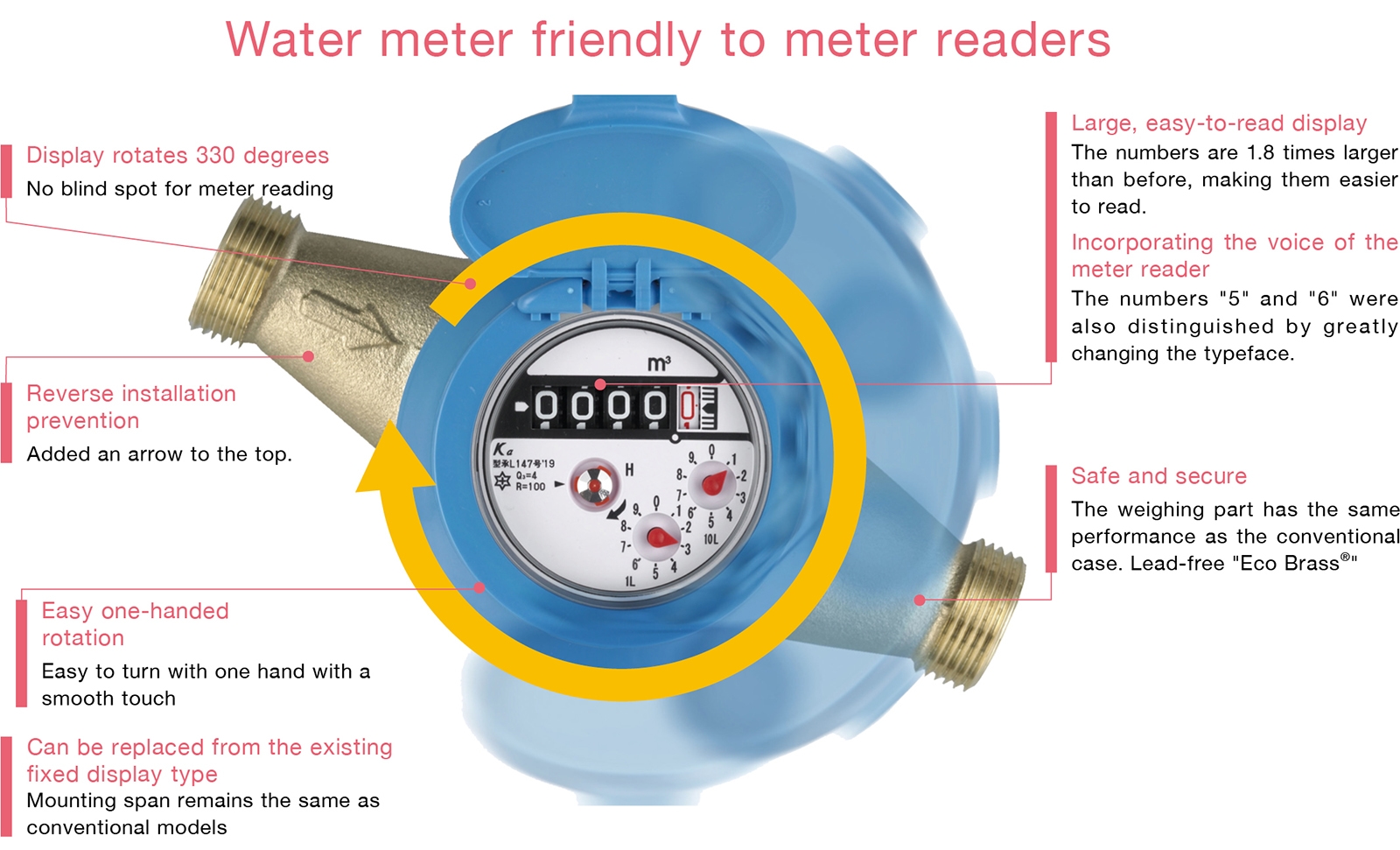
The meter is the one witness that never lies. A 15-minute isolation routine tells you which side of the house the problem is on.
Your water meter measures one thing with total honesty: water passing into your property. If it moves while every tap, appliance and valve is closed, that water is going somewhere — and the meter has just become your first leak detection instrument.
Reading the meter correctly
London meters live in a boundary box in the footpath (lift the small cover marked with a W or the supplier's logo) or occasionally inside, near the stop tap. Beyond the digits, look for the low-flow indicator — a small wheel, dial or triangle that rotates with even tiny flows. This is the part that catches slow leaks the digits take hours to show.
The 15-minute isolation routine
- Close everything. All taps, dishwasher, washing machine, garden tap. Don't flush toilets during the test.
- Watch the meter for two minutes. Still moving? You have a live leak. Note how fast — creeping or spinning.
- Close the internal stop tap and watch again:
- Meter still moves → the leak is on the underground supply pipe between the boundary and your home. This section is the property owner's responsibility, and these leaks never surface politely — see our underground leak detection page.
- Meter stops → the leak is inside the property, downstream of the stop tap.
- If internal: hunt the usual suspects. Run the toilet dye test (food colouring in the cistern, wait 30 minutes, check the bowl), inspect visible pipework under sinks and behind the washing machine, check the boiler's pressure-relief discharge pipe outside for dripping, and listen at floors in quiet rooms.
Interpreting the speed
- Slow creep — a passing toilet valve, a weeping joint, a dripping overflow. Not an emergency; book a repair or detection visit within days.
- Steady rotation — a live pressurised leak, probably concealed. Prioritise: water is entering your structure continuously.
- Fast spin — significant escape. Isolate the supply at the stop tap except when you need water, and treat it as urgent.
The trap: intermittent movement
A meter that moves only sometimes is usually not a leak but a legitimate intermittent user: a water softener regenerating at night, a smart toilet, a leaking non-return valve letting a combi boiler draw water, or next door's supply teed off yours (common in older terraces — worth confirming, since you may be paying their bill). If the pattern defeats you, log times of movement for 48 hours; the schedule usually identifies the culprit.
When the meter says leak but nothing shows
A confirmed meter movement with no visible symptom means concealed escape — under floors, in walls, underground. That is precisely the scenario professional detection is built for: pressure testing per circuit, then thermal, acoustic and tracer gas methods to a marked point. The meter has done its job as witness; the rest is location.
Frequently asked questions
How much water does a “creeping” meter actually waste?
A barely-visible creep can be 100–300 litres a day — £150–£500 a year at metered London rates, before any damage. A visibly rotating dial is often over 1,000 litres a day. The meter movement always understates the true cost, because the structural damage is not on the bill.
Could the meter itself be faulty?
Rarely — meters err on the slow side as they age, under-recording rather than inventing usage. If you genuinely suspect the meter, your supplier can test it, but a moving low-flow indicator with the property isolated is a leak until proven otherwise.
Who is responsible for the pipe between the meter and my house?
The property owner. The water company owns the network up to and including the boundary/meter box; the supply pipe from there to your internal stop tap is private. That is exactly the section where hidden underground leaks are most common — and where leak allowances may soften the bill if you fix it promptly.