Can a Water Leak Cause Mould and Damp? (And How to Stop It)
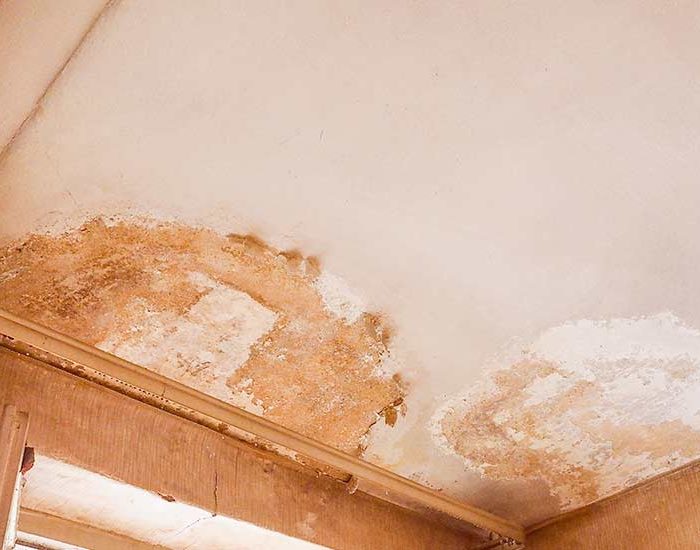
Yes, a water leak can absolutely cause mould and damp, and it is one of the most overlooked causes of both. Here is how a hidden leak feeds mould, how to distinguish it from condensation, why cleaning the mould never works on its own, and how the moisture source is properly traced and stopped.
If you have scrubbed the same patch of black mould off a wall three times and it keeps coming back, the mould is not your problem. It is a symptom. Somewhere behind that patch, something is staying wet, and until you find out what, no amount of bleach, anti-mould paint or ventilation will fix it for good. In a large number of London homes, the thing keeping the wall wet is a slow, hidden water leak.
This article answers a question we hear almost every week: can a water leak actually cause mould and damp? The short answer is yes, and it is one of the most common and most misdiagnosed causes of both. Below we explain how a leak feeds mould, why it is so often confused with condensation, the health risks involved, how professionals trace the moisture back to its source without ripping your house apart, and when the situation crosses over into a health or landlord issue.
The short answer: yes, and here is why
Mould is a living organism. Like anything living, it needs food and water. The food is almost everywhere in a home already: plaster, paint, wallpaper paste, timber, dust, the paper facing on plasterboard. What mould does not have on tap is moisture. Take the moisture away and mould cannot grow. Give it a steady supply and it will colonise a surface within a couple of days.
A water leak is a near-perfect moisture supply. Unlike a one-off spill that dries out, a leak keeps delivering water, quietly and continuously, into materials that were designed to stay dry. A pinhole in a heating pipe, a failed seal behind a shower, a weeping joint under a bath, a cracked waste pipe inside a stud wall, or a slow drip from a rooftop tank can all feed a patch of wall or floor with just enough water to keep it permanently damp. That constant dampness is exactly the environment mould needs.
The frustrating part for homeowners is that leak-driven mould often appears in places that look nothing like a plumbing problem. The leak might be in a pipe run at the top of the wall while the mould blooms near the skirting, because water travels along timbers, through cavities and down plaster before it finds a surface to sit on. This is why people spend months treating a bedroom wall for damp with no idea that the real fault is a joint in the bathroom next door.
How a hidden leak turns into damp and black mould
It helps to understand the sequence, because each stage explains why surface treatments fail.
- Water escapes slowly. Most damaging leaks are not dramatic. They are pinholes, hairline cracks, failed seals and weeping compression joints that release a small amount of water over a long period. Nobody notices a burst.
- Building materials soak it up. Plaster, brick, screed, timber and insulation are absorbent. They wick the water away from the leak point and hold it, spreading the damp area far wider than the original fault.
- The surface stays wet enough for spores to settle. Mould spores are already floating in the air of every building. When they land on a surface that stays damp, they germinate.
- Damp and mould become visible. By the time you see staining, blistering paint, a tide mark or that unmistakable musty smell, the material behind the surface has usually been wet for weeks or months.
Because the visible damage arrives so late, people naturally treat what they can see. They wipe the mould, repaint, maybe add an extractor fan. None of that touches the leak, so the wall re-wets and the mould returns, usually in the same spot, usually within weeks.
Leak-driven mould versus condensation mould: how to tell them apart
This is the single most important distinction to get right, because the two problems have completely different fixes. Condensation is caused by warm, moist air meeting cold surfaces, and it is genuinely the most common cause of mould in UK homes. A water leak is different: it introduces liquid water into the structure from a failed pipe, seal or fitting. Treating a leak as if it were condensation, or vice versa, wastes money and lets the real damage continue.
Here are the practical differences that help point one way or the other. None of these is proof on its own, but together they build a picture.
| Where the mould appears | What it usually points to | Likely source |
|---|---|---|
| Corners of rooms, behind furniture, on north-facing external walls, around window reveals | Condensation, poor ventilation, cold bridging | Lifestyle and heating pattern, not a leak |
| A single defined damp patch that grows outward, often with a tide mark | A concentrated water source feeding one area | Plumbing leak, roof or gutter defect |
| Low down on a wall shared with a bathroom, kitchen or airing cupboard | Water tracking down from a fitting or pipe run | Shower tray or bath seal, waste pipe, supply pipe |
| Ceiling staining directly below a bathroom or flat roof | Water coming from above | Overflow, failed seal, roof or tank leak |
| Around a boiler, radiator, or along a skirting following a pipe route | Water escaping from the heating system | Pinhole in central heating pipe, weeping valve or joint |
| Under or beside a floor, with lifting or cupping of boards | Sustained moisture at floor level | Buried supply pipe, under-floor heating leak, waste leak |
| Widespread light mould across many cold surfaces in winter, easing in summer | Seasonal humidity and cold surfaces | Condensation, not a leak |
A few quick tests you can do yourself. Does the damp patch have a clear centre that fades outward, rather than being spread evenly across a whole cold wall? That leans towards a leak. Is the affected area warm or unusually cold to the touch, and does it stay damp even in dry, warm weather when condensation should ease? Condensation improves in summer and with better ventilation; a leak does not care about the season. Does the mould keep coming back in exactly the same spot after cleaning? Recurrence in a fixed location is a classic leak signature.
If you want to work through this properly, we have a dedicated guide on how to tell the difference between damp and a leak that walks through the tell-tale signs step by step: damp or leak: how to tell the difference.
The health implications you should not ignore
Mould is not just a cosmetic problem, and this is where leak-driven damp becomes more than an inconvenience. Damp, mouldy environments release spores and microbial fragments into the air you breathe. For many people that means irritation. For others, particularly the vulnerable, it can be genuinely serious.
- Respiratory effects. Damp and black mould are widely associated with coughing, wheezing, worsening asthma and other respiratory symptoms, especially in children and older adults.
- Allergic reactions. Runny nose, itchy eyes, sneezing and skin irritation are common in sensitive individuals living with persistent mould.
- Vulnerable groups. Infants, elderly residents, and anyone with an existing respiratory condition or a weakened immune system are at greater risk and should not be living in consistently damp, mouldy rooms.
The point is not to alarm anyone. Plenty of homes have a bit of seasonal condensation mould that is easily managed. But a leak-fed patch that is expanding, that smells strongly musty, and that returns no matter what you do, is a structural moisture problem that will keep degrading both the building and the indoor air until the water source is stopped. It is worth taking seriously and dealing with at the root.
Why treating the mould without fixing the leak always fails
This is the recurring theme on DIY and home forums, and the honest consensus from communities like r/DIYUK and UK housing and mould discussions is consistent and blunt: cleaning mould without finding the moisture source is a waste of effort. People describe repainting a wall with mould-resistant paint, only for the stain to bleed back through within a month. Others fit expensive fans and dehumidifiers and are baffled when a single patch stays wet while the rest of the room is fine. The common thread in the replies is always the same question back: where is the water coming from?
That community instinct is correct. Anti-mould paint, fungicidal wash, bleach and better ventilation all address the symptom, the mould on the surface, not the cause, the water behind it. If the material stays wet, spores will simply recolonise as soon as the treatment wears off. You cannot ventilate away liquid water leaking from a pipe. You cannot paint over a shower seal that is letting water into the wall every time someone showers.
The correct order of operations is: find the source, stop the water, dry the structure out fully, and only then treat and redecorate. Skip the first two steps and you are just buying yourself a few weeks before the problem returns.
How professionals find the moisture source without wrecking your home
The old approach to a hidden leak was to guess and open up: lift floors, hack off plaster, cut into ceilings until the wet pipe was found. That is slow, expensive and destructive, and it often misses the mark. Modern non-invasive leak detection is designed to locate the source first and dig second, so the only thing that gets opened up is the small area that actually needs repair.
Here is what a professional investigation typically involves.
Moisture mapping
Calibrated moisture meters and hygrometers are used to measure the water content across walls, floors and ceilings. By taking readings across a grid, an engineer can map where the material is wettest and follow the moisture back towards its highest concentration. The wettest point is usually closest to the source. This alone often overturns the homeowner's assumption about where the leak must be.
Thermal imaging
A thermal imaging camera detects surface temperature differences. Wet or evaporating areas, and hot pipes carrying heated water, show up as distinct patterns against the surrounding surface. Thermal imaging is excellent for revealing the shape and run of a leak behind plaster or under a floor without a single hole being made. It is a survey tool rather than a magic X-ray, so it is used alongside other methods, not on its own.
Acoustic and tracer methods
For pressurised pipes, acoustic listening equipment can pick up the faint sound of water escaping under pressure. Where appropriate, tracer gas or targeted pressure testing is used to confirm exactly which pipe or fitting has failed. Combining these techniques is what allows a source to be pinpointed to within a small area rather than a whole room.
The value of this approach is precision. Instead of demolishing a bathroom on a hunch, the source is confirmed first, so the repair is small and the disruption is minimal. If you want the full picture of how a survey runs, our leak detection in London page explains the process and what to expect on the day.
Drying out: the step people skip
Once the leak is repaired, the job is not finished. The water that has already soaked into plaster, screed, timber and insulation has to come back out, and that does not happen on its own within a sensible timeframe. If you redecorate over a structure that is still wet inside, the mould and staining will simply return and you will be back where you started.
Proper drying uses controlled equipment such as dehumidifiers and air movers, monitored with moisture readings over time so you can prove the material has genuinely returned to a normal dry state before any redecoration. Depending on how long the leak ran and how much water got in, this can take days or considerably longer for thick or saturated materials. Rushing it is the most common reason a repaired leak still ends up looking like a failure. We cover the whole process, including realistic timescales and how to know when a room is actually dry, in our guide to drying out your home after a water leak.
When it becomes a health or landlord issue
There is a threshold at which persistent damp and mould stops being a maintenance job and becomes a wellbeing and legal matter. If anyone in the home is experiencing respiratory symptoms that improve when they leave the property, if a vulnerable person is sleeping in a mouldy room, or if the affected area keeps growing despite cleaning, it is time to treat the underlying leak as a priority rather than something to get round to.
For renters, this is important. In England, landlords have legal duties to keep a property free from serious hazards, and damp and mould are recognised hazards under housing health and safety standards. If you rent and you have reported persistent damp or a suspected leak, that report should be acted upon. A professional, independent leak detection survey and report can be extremely useful here, because it documents the cause objectively rather than leaving it as an argument between tenant and landlord. If you are a landlord, dealing with the source promptly protects both your tenants and the fabric of your property, and it is far cheaper than letting a slow leak rot structural timber for a year.
Either way, the same principle applies: identify the moisture source, stop it, dry out, then remediate. Guessing and redecorating is not a fix, and with a vulnerable occupant it is not a safe one either.
How we approach it
Our position is deliberately straightforward. We use non-invasive detection, moisture mapping, thermal imaging and acoustic methods, to find where the water is actually coming from before anything is opened up. We work on a no find, no fee basis, so if we cannot locate a leak you are not left out of pocket. The hourly rate is fixed and agreed at the point of booking, so there are no surprises at the end. And we provide clear, insurer-ready reports documenting the source and the evidence, which matters both for claims and for landlord and tenant situations.
As for cost, honest expectations help. A non-invasive leak detection survey typically falls within standard UK trade cost-guide ranges for this kind of specialist work, and the exact figure depends on the property and the complexity of the investigation. That is confirmed as a fixed hourly rate before we start, not estimated afterwards. The much larger cost is usually the one people are trying to avoid: months of recurring mould, wasted decorating, and structural damage from a leak that was never found.
If your mould keeps coming back in the same place no matter what you do, stop treating the symptom. Find the water. Everything else follows from that.
Frequently asked questions
Can a small, slow leak really cause a big mould problem?
Yes. It is often the slow leaks that cause the worst mould, precisely because they go unnoticed for so long. A pinhole or a weeping joint can feed water into plaster and timber continuously for months, keeping a large area permanently damp. Mould only needs a surface to stay wet, so a small leak that never stops can support far more mould growth over time than a dramatic burst that gets fixed straight away.
How do I know if my mould is from a leak or from condensation?
Condensation mould tends to appear across cold surfaces, in corners, behind furniture and around windows, and it usually eases in warmer, drier weather or with better ventilation. Leak-driven mould is more likely to form a single defined patch with a clear centre and a tide mark, often near a bathroom, kitchen or pipe run, and it stays damp regardless of the season or how well you ventilate. If a patch keeps returning in exactly the same spot after cleaning, that points strongly towards a leak.
Will cleaning the mould or using anti-mould paint fix the problem?
Not if a leak is feeding it. Fungicidal washes, bleach and mould-resistant paint only treat the surface. If the material behind the surface stays wet because of an ongoing leak, spores will recolonise as soon as the treatment wears off, usually within weeks. The only lasting fix is to find and stop the moisture source, dry the structure out fully, and then treat and redecorate.
How do professionals find a hidden leak without pulling my house apart?
Through non-invasive detection. Moisture mapping uses calibrated meters to find the wettest point and trace it back towards the source. Thermal imaging reveals temperature patterns from wet or evaporating areas behind plaster and under floors. Acoustic listening equipment and, where appropriate, tracer gas or pressure testing confirm exactly which pipe or fitting has failed. This locates the source first, so only the small area that genuinely needs repair is opened up.
Is black mould from a leak a health risk?
It can be. Damp and mould are widely associated with coughing, wheezing, worsening asthma and allergic reactions, and the risk is greater for children, elderly people and anyone with an existing respiratory condition or weakened immune system. A small amount of seasonal condensation mould is usually manageable, but an expanding, persistent, musty-smelling patch fed by a leak is a moisture problem that will keep affecting both the building and the indoor air until the source is stopped.
I rent my home. Is my landlord responsible for damp and mould from a leak?
In England, landlords have legal duties to keep a property free from serious hazards, and damp and mould are recognised hazards under housing health and safety standards. If you have reported persistent damp or a suspected leak, that report should be acted upon. An independent, non-invasive leak detection survey with a clear report is often the most useful step, because it documents the cause objectively rather than leaving it as a dispute, which helps both tenants and landlords get the underlying leak dealt with properly.