Water Stain on Ceiling: Is It a Leak, Damp or Condensation?
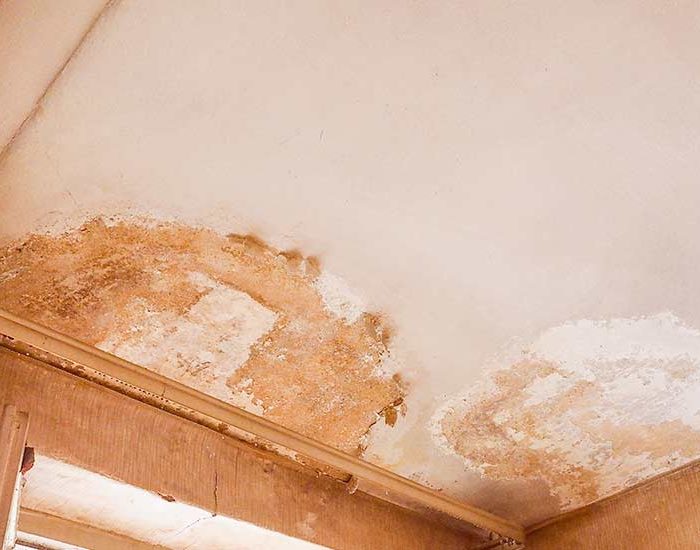
A brown patch on the ceiling is a symptom, not a diagnosis. Here is how to read the stain, tell a live leak from damp, run safe first checks, and understand how professionals confirm the cause before anyone opens up the ceiling.
A brown water stain on ceiling plaster is one of the most common reasons people start searching for help with water damage. It looks alarming, and it usually is worth taking seriously, but the stain itself does not tell you what is wrong. It is a symptom. The same tea-coloured mark can be caused by a live plumbing leak, a slow roof defect, condensation, or penetrating damp coming through the structure. Each of those has a completely different fix, and getting the diagnosis wrong is how people end up paying to replaster a ceiling twice.
This guide walks through how to actually read a ceiling stain, what the different causes look like, why the stain is rarely directly under the source, the safe checks you can do yourself, and how a specialist confirms the cause before anyone starts cutting into plaster. The aim is to help you make a calm, informed decision rather than a panicked one.
Why the stain is a clue, not an answer
Water is lazy and it is patient. When it finds its way into a ceiling void, it does not drop straight down. It travels along the path of least resistance, which usually means running down the top of a plasterboard sheet, along a joist, over the back of an insulation batt, or down the side of a pipe until it reaches a low point or a joint. Only then does it soak through and show as a stain on the surface you can see.
This is the single most important thing to understand about ceiling stains, and it is a point made again and again on home forums such as r/DIYUK and r/HousingUK: the wet patch you can see is frequently a metre or more away from where the water is actually getting in. People describe cutting a neat hole directly above a stain, finding bone-dry timber, and realising the real source was over by the wall. The visible mark is where the water finally emerged, not where it started.
Because of this, the pattern, colour, shape and behaviour of the stain matter far more than its exact position. Read those clues properly and you can usually narrow the field before anyone touches the ceiling.
Fresh stain or old stain?
The first question is whether you are looking at something active or a historic mark that has already dried.
- A fresh, active stain tends to look damp or darker in the centre, may feel cool or soft to a careful touch, and often has a slightly glossy or wet-looking edge. The colour is usually a warmer yellow-brown. It may grow over hours or days, especially after you use water somewhere or after heavy rain.
- An old, dried stain has a crisp, hard brown or tan tide line, feels dry and papery, and does not change. It is the fingerprint of a leak that has already happened, been fixed, or stopped on its own. It can sit unchanged for years.
A simple test people recommend is to draw a light pencil line around the edge of the stain and note the date. Check it again after a few days and after the next spell of rain or heavy water use. If the mark has crept past your line, the cause is live and needs finding. If it has not moved at all through a rainy week and normal use, you may be looking at old damage, though that is not a guarantee.
The brown colour itself comes from tannins, dust, glue and minerals that the water carries and deposits as it evaporates at the surface. A darker, dirtier brown often means water that has travelled through timber, loft dust or old materials, which can point towards a roof or long run through the structure rather than clean water straight from a pipe.
Reading the shape and behaviour
The outline of a stain carries real information.
- Concentric rings, like a coffee cup mark: classic sign of repeated wetting and drying. Water arrives, spreads to a certain size, dries back, then arrives again and pushes out a new tide line. This intermittent pattern points to a source that only runs sometimes, such as a shower used once a day, an overflow that trips occasionally, or rain-driven ingress.
- A solid, spreading, uniform patch: more consistent with a continuous or fast supply, such as a slowly weeping pipe joint under constant mains pressure, or a steady overflow.
- A stain that follows a straight line or runs along one direction: often water tracking along a joist or a pipe run. The line can point roughly back towards the source, though not reliably.
- A diffuse, cloudy patch with no crisp edge, often in a corner or along a wall: more typical of condensation or penetrating damp than a clean pipe leak.
Location tells a story
Where the stain sits, and what is above it, reshapes the list of likely causes. If you know your own layout, you can often shortlist the culprit yourself.
Ceiling directly below a bathroom or above your own kitchen
This is the highest-probability scenario for a plumbing leak. Bathrooms concentrate supply pipes, waste pipes, a shower tray or bath, a toilet, and sealed junctions, all in one area, and all being used with water every day. Failed sealant around a bath or shower, a weeping waste connection, a slow supply-pipe joint, or a cracked shower tray are the usual suspects. If your stain sits under a bathroom and grows after showering, that is a strong lead.
Ceiling below a neighbour's flat
In flats and maisonettes, a top-floor ceiling stain frequently comes from the property above rather than anything in your home. This is a common and stressful situation on r/HousingUK, where people describe the awkwardness of raising it with a neighbour who insists nothing is wrong. The reality is that a slow leak upstairs can run for weeks before it shows below, and the person above may genuinely not notice anything. Non-invasive detection is particularly valuable here because it can help establish where the water is coming from without immediately tearing into anyone's floor, which matters when responsibility and insurance are in question.
Top-floor ceiling directly under the roof
A stain on the top-floor ceiling, especially one that darkens after rain, points towards the roof or the structure rather than plumbing. Slipped or cracked tiles, failed flashing around a chimney or valley, a blocked or overflowing gutter, or a fault around a rooflight can all let rainwater in. The tell-tale sign is timing: a roof-related stain tracks the weather, worsening during and after heavy or wind-driven rain and settling down in dry spells.
Ceiling near an external wall or in a cold corner
Stains that hug an outside wall, particularly in a corner or on a north-facing side, raise the possibility of penetrating damp or condensation rather than a pipe. These are structural and environmental problems, not leaks, and no amount of plumbing repair will fix them.
Leak, condensation or penetrating damp?
These three causes get confused constantly because they can all produce brown-ish marks and a musty smell. Telling them apart early saves a great deal of money, which is why a damp and moisture detection survey maps the moisture properly before anyone decides what to fix. We cover this in more depth in our guide on how to tell the difference between damp and a leak, but here is the short version.
A live leak is clean or dirty water escaping under pressure or by gravity from plumbing, a roof or an appliance. It tends to produce a defined stain, can appear or worsen suddenly, and often correlates with a specific activity such as running a shower, flushing, or with rainfall. The water has to come from somewhere with a supply.
Condensation is water the air itself deposits when warm, moist indoor air meets a cold surface. It is worse in winter, in poorly ventilated rooms, in kitchens and bathrooms, and in cold corners and under uninsulated sections of roof. It usually shows as diffuse patches, black mould speckling, and misted windows, rather than a single defined brown ring. Crucially, it produces no drip and no supply of water you can trace, because the moisture is coming out of the air.
Penetrating damp is moisture crossing the building fabric from outside, through a defective wall, a failed seal, or saturated masonry, usually driven by rain. It behaves a little like a slow roof leak but comes through walls and junctions rather than dropping from above. Like a roof leak, it is weather-driven.
The reason this distinction matters so much is cost and scope. A leak is found and repaired at a point. Damp and condensation are managed through ventilation, insulation, drainage and fabric repair. If a contractor treats a condensation problem as a leak and starts opening ceilings, you pay for disruption that fixes nothing. The honest first job is always to work out which of these three you are actually dealing with, and that is exactly what proper detection sets out to do.
Water stain on ceiling: clue to likely cause
| What you see | Most likely cause | Sensible next step |
|---|---|---|
| Yellow-brown ring under a bathroom, grows after showering | Plumbing leak (seal, waste or supply) | Stop using that bathroom, monitor, book detection |
| Darkens after heavy rain, top-floor ceiling | Roof or flashing defect | Check loft in daylight if safe, arrange roof and detection assessment |
| Concentric coffee-cup rings | Intermittent source, wets and dries | Note what activity or weather coincides with it |
| Solid, steadily spreading patch | Continuous leak under pressure | Consider turning off the stopcock, seek help promptly |
| Diffuse cloudy patch on a cold outside wall or corner | Condensation or penetrating damp | Improve ventilation, assess for damp rather than leak |
| Stain under a neighbour's flat, no plumbing directly above | Leak from property above | Non-invasive detection to establish source before disputes |
| Crisp, dry, hard tide line that never changes | Old, possibly resolved leak | Mark and monitor, confirm it is genuinely inactive |
| Bulging, sagging or dripping | Active water pooling above plasterboard | Treat as urgent, see the warning section below |
Safe first checks you can do yourself
Before calling anyone, a few careful checks help you describe the problem and sometimes point clearly at the cause. Keep them safe and non-invasive.
- Mark and date the stain. A pencil outline turns a vague worry into real evidence of whether it is growing.
- Correlate with activity. Note whether it worsens after showers, after using a particular tap or appliance, or after rain. This single observation often separates plumbing from roof from condensation.
- Look, do not poke. Resist the urge to prod a soft stain with a screwdriver. If there is water pooling above, you can bring the whole lot down on yourself.
- Check the loft in daylight, if you can access it safely. Daylight showing through the roof, wet timber, or a clear drip trail can be very telling. Only go up if it is safe to do so.
- Check for obvious sources above. A dripping overflow outside, an overflowing gutter, a running toilet, or damp around a bath seal are quick wins.
- Watch for electrics. If a stain is near a light fitting, or a light flickers, treat it as a serious hazard, keep the circuit off, and prioritise getting help.
Our fuller walk-through of these steps, including what to do about the plaster itself, is in our guide on what to do about a damp patch on the ceiling.
When to worry: sagging, bulging and dripping
Most ceiling stains are a slow-burn problem you can investigate calmly. A few signs mean you should act quickly.
- The ceiling is bulging or sagging downward. This means water has pooled above the plasterboard and the board is holding a heavy, growing load. Saturated plasterboard can fail suddenly and come down in one piece. Keep people and pets out of the room.
- Active dripping. Place a bucket, move valuables, and if the water is clearly coming from plumbing, turn off the mains stopcock.
- Rapidly spreading stain over hours. A fast-growing patch suggests a significant supply and should not wait.
- Any involvement of light fittings or electrical points. Water and electricity together are a genuine danger. Isolate the circuit if you safely can.
Short of those, you generally have time to get the cause diagnosed properly rather than rushing into demolition.
How professionals confirm the cause before opening up
The instinct, from a builder or an anxious homeowner, is to cut a hole and look. The problem is that a hole in the wrong place tells you nothing, damages the ceiling, and still leaves you guessing. A specialist leak-detection approach is designed to locate the source with confidence first, so that any opening-up is done once, in the right place.
There is no single magic device, which is why a serious approach is multi-method. Different tools suit different causes, and used together they build a picture.
- Moisture mapping. Calibrated moisture meters and readings taken across the ceiling and surrounding walls trace where the material is genuinely wet and where it is dry. This maps the true extent of the water and often reveals that it is spreading from a direction you would not have guessed from the stain alone.
- Thermal imaging. A thermal camera shows temperature differences across a surface. Evaporating water and cool wet materials read differently from dry ones, which can reveal the shape of a wet area and hint at a track leading back towards the source. It is a guide, not an x-ray, and it is interpreted alongside the other methods.
- Tracer gas. For plumbing leaks that are hard to pin down, a safe tracer gas can be introduced into the pipework. The gas escapes at the leak point and is picked up at the surface with a detector, isolating the exact spot. This is especially useful for slow leaks that no camera can see.
- Acoustic and pressure testing. Listening equipment and pressure tests on the pipework help confirm whether a supply pipe is losing water and roughly where.
The point of combining these is to distinguish a live leak from damp or condensation before committing to any repair, and to avoid opening up the wrong place. That is the whole philosophy behind our leak detection service across London: find the cause with non-invasive methods, tell you honestly whether it is a leak or a damp issue, and only then recommend the smallest, most targeted repair.
On pricing, the honest picture is that professional leak detection typically falls within the usual UK trade cost-guide ranges you will find quoted for this kind of specialist survey, and it varies with the difficulty of the job. What we can be straight about is how we handle it: our detection works on a no find, no fee basis, and the hourly rate is fixed and agreed at the point of booking, so there are no surprises after the visit. You know what you are paying before we start, and you only pay for detection if we find the source.
Putting it together
A brown ceiling stain is worth taking seriously, but it is not worth panicking over or attacking with a Stanley knife. Read it first. Is it fresh or old, growing or static, ringed or solid, under a bathroom, a neighbour, a roof or a cold outside wall? Does it react to water use or to rain? Those observations, plus a few safe checks, will usually tell you whether you are most likely dealing with a live leak, condensation or penetrating damp.
From there, the sensible move is to confirm the cause with proper detection rather than guessing with a hole. Distinguishing a genuine leak from a damp problem is the single decision that determines whether the money you spend actually fixes anything. Get that right, and the repair is almost always smaller, cheaper and less disruptive than the stain first made you fear.
Frequently asked questions
Is a water stain on ceiling plaster a leak or just damp?
Look at how it behaves. A leak usually produces a defined brown mark that appears or grows in step with a specific activity, such as showering, or with rainfall, and there is a real source of water behind it. Damp and condensation tend to show as diffuse cloudy patches, often on cold outside walls or in corners, get worse in winter, and come with misted windows or black mould speckling rather than a single ring. Marking the stain with a pencil and watching whether it grows after water use or rain is a good first indicator, but only detection can confirm it for certain.
Why is my ceiling stain not directly under the leaking pipe?
Because water travels before it shows. Once it escapes, it runs along joists, pipe runs, insulation and the tops of plasterboard sheets until it reaches a low point or a joint, then soaks through there. The visible stain marks where the water finally emerged, which is often a metre or more from where it actually got in. This is exactly why cutting a hole directly above a stain so often finds dry timber, and why professionals map the moisture and trace the source rather than assuming it is straight above the mark.
Is a brown ceiling stain dangerous?
Usually it is a slow problem you can investigate calmly, but there are exceptions. If the ceiling is bulging or sagging, water has pooled above the plasterboard and it can collapse, so keep people out of the room. Active dripping, a stain spreading rapidly over hours, or any water near light fittings or electrical points all warrant urgent action, including turning off the mains stopcock or isolating the circuit if you can do so safely. Short of those signs, you generally have time to get the cause properly diagnosed.
The stain is under my neighbour's flat. What should I do?
This is common in flats, where a slow leak upstairs can run for weeks before showing on your ceiling, and your neighbour may genuinely not have noticed anything. Raise it with them politely and, if there is any dispute about the source or responsibility, non-invasive leak detection is particularly useful because it can help establish where the water is coming from without immediately opening up anyone's floor. That evidence is valuable when insurers or freeholders become involved.
Should I just paint over the stain once it dries?
Only once you are certain the cause is resolved. Painting over an active or unresolved stain hides the problem while the water keeps working on the plaster and structure behind it, and the mark will simply bleed back through. Confirm the source is fixed, let the area dry fully, and then use a stain-blocking primer before repainting. If you are not sure whether the leak is genuinely finished, get the cause confirmed first.
What does professional leak detection actually involve, and what does it cost?
A proper approach is multi-method and non-invasive. It typically combines moisture mapping to trace where the material is truly wet, thermal imaging to reveal the shape of the wet area, and tracer gas or acoustic and pressure testing to pinpoint a plumbing leak precisely, all before anyone opens up the ceiling. Cost sits within the usual UK trade cost-guide ranges for a specialist survey and varies with the difficulty of the job. Our detection is offered on a no find, no fee basis with a fixed hourly rate agreed at the time of booking, so you know the rate before we start.