Underfloor Heating Leaks: Signs, Causes, and Why You Won’t Lose the Whole Floor
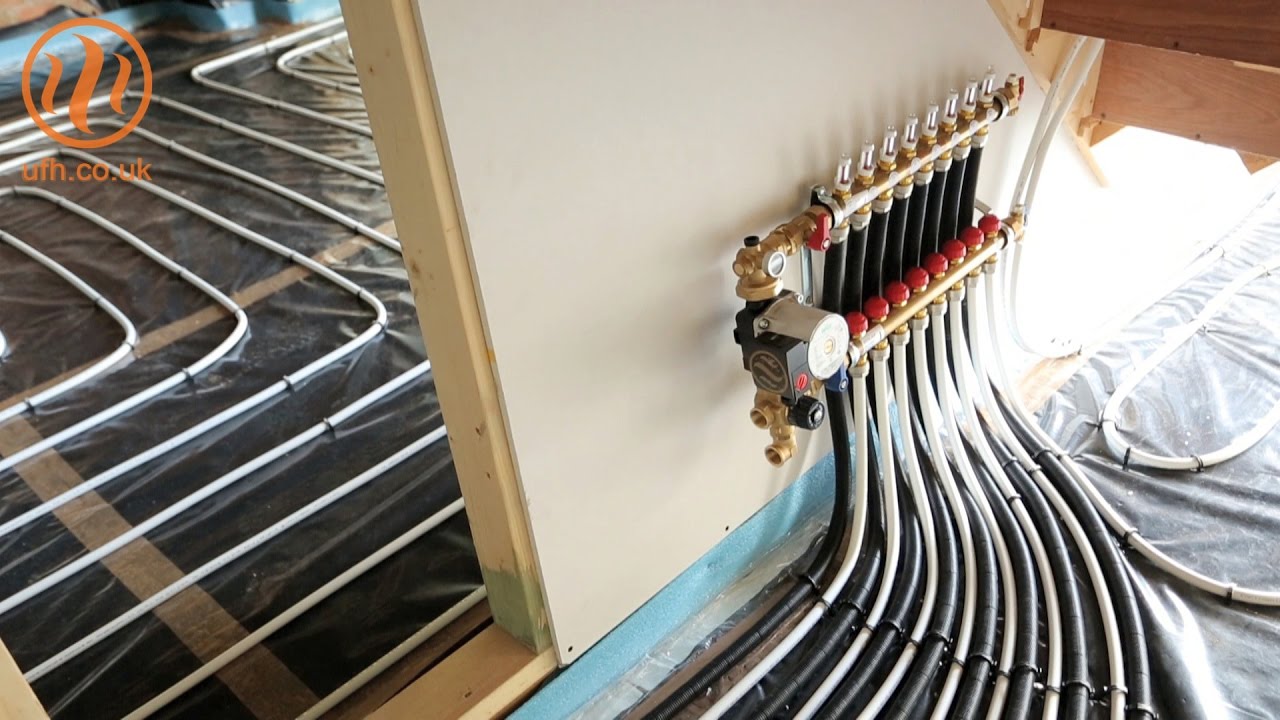
The fear is a dug-up floor. The reality, with proper detection, is an opening the size of a dinner plate.
Underfloor heating owners share a specific nightmare: pipes cast into the screed, under the porcelain, under the engineered oak — leaking. The dread is understandable and, with modern detection, mostly outdated. UFH leaks are among the most precisely locatable faults in domestic plumbing, because the pipe layout itself can be made visible.
The signs, from subtle to unmistakable
- Pressure loss on the UFH circuit or boiler — the earliest and most reliable signal. A sealed system that needs topping up is leaking somewhere.
- A zone that never gets warm — lost water means lost flow; the loop with the leak often underperforms first.
- A patch that is warmer than everywhere else — leaking heated water concentrates warmth at the escape point.
- Floor damage arriving late — hairline grout cracks, cupping timber, lifting LVT. Screed absorbs a lot of water before the surface admits anything is wrong.
- Damp readings at wall bases around the heated room, as moisture migrates outward.
What actually causes UFH leaks
The pipe itself (usually PEX or PE-RT plastic) rarely fails spontaneously. In practice, failures are nearly always mechanical or man-made:
- A fixing through the pipe — a door-threshold screw, a stair gate, new joinery. Sometimes the screw seals the hole it made for years, then corrodes and lets go.
- Installation damage — a nick from a trowel or a kink at a bend that fatigues over time.
- Joints buried against the rules — good practice keeps every fitting accessible; buried couplings are a known failure point.
- Manifold faults — the honest good news: many "UFH leaks" are actually weeping at the manifold, in plain sight and cheap to fix. Always check there first.
How detection actually works on UFH
- Loop-by-loop pressure testing at the manifold isolates which circuit is leaking — the search area drops from a floor to one loop.
- Thermal imaging — run the zone warm and the camera draws the entire buried loop on the screen. The leak point interrupts or blurs the pattern.
- Tracer gas confirmation — the loop is drained and charged with safe hydrogen mix; the surface detector spikes directly over the failure.
- Minimal opening, proper repair — one tile or a small square of screed comes up, and the pipe is repaired with a press-fit coupling rated for buried use. The loop is retested before the floor closes.
What about the floor finish?
This is the real cost variable — not the plumbing. A spare box of tiles in the garage makes the repair invisible. Continuous finishes (large-format porcelain, poured resin, herringbone) need more thought about where and how to open; this is exactly the conversation to have after the leak is marked, when the opening can be planned rather than exploratory. If the damage is insured, trace and access cover typically pays for the access and reinstatement.
If your UFH pressure keeps dropping, resist both panic and denial: it will not fix itself, and it will not cost you the floor. Book a UFH detection visit — pinpointed, opened small, repaired properly.
Frequently asked questions
Can I keep using underfloor heating with a suspected leak?
Light use while awaiting a prompt detection visit is usually tolerable and actually helps diagnosis — a warm, live leak is easier to trace. Heavy continued use with a known pressure loss pumps more water into your floor structure; book quickly rather than running it for weeks.
Is a repaired UFH pipe as strong as the original?
A press-fit repair coupling rated for buried use restores full pressure rating and is accepted practice. The repair is pressure-tested before the floor is reinstated, and the location is recorded so any future work knows where it is.
My screed feels dry — can there still be a leak?
Yes. Screed wicks and stores water through its depth, and a heated slab dries its own surface. Pressure loss at the manifold outranks a dry-feeling floor as evidence every time.