Burst Pipe Insurance Claim in the UK: A Step-by-Step Guide
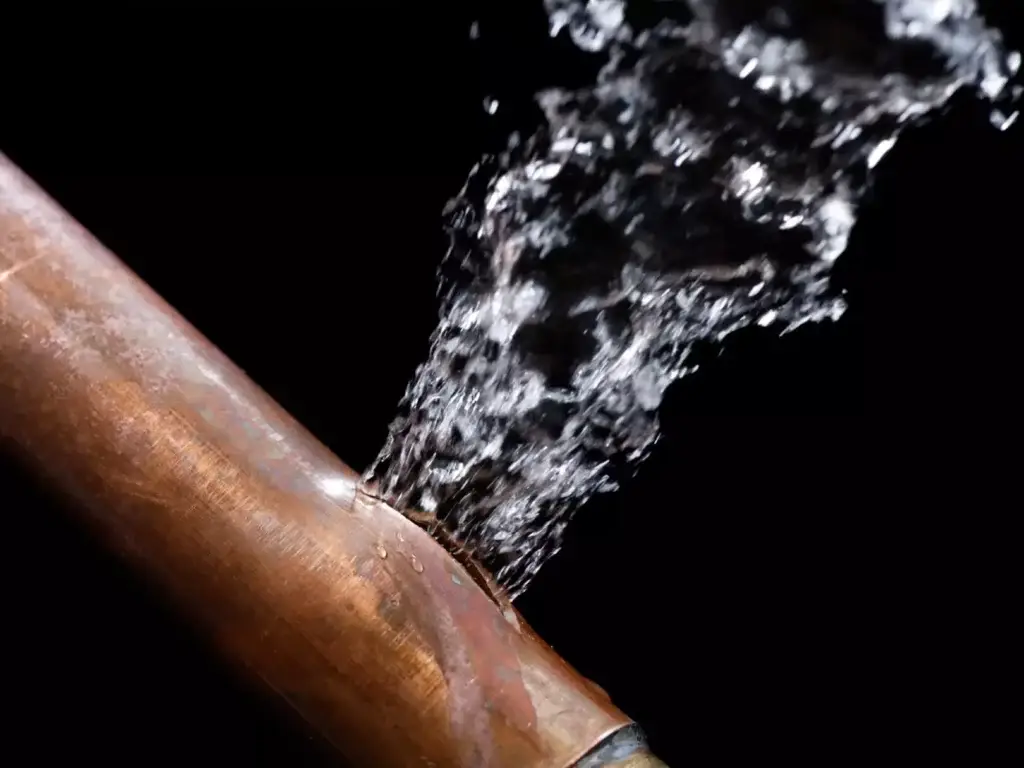
A burst pipe can cause thousands of pounds of damage in minutes. Here is how a UK home insurance claim actually works, what escape of water covers, the common reasons claims get reduced or refused, and the steps to take in the first hour to protect your payout.
A burst pipe is one of the most common and most expensive things that can go wrong in a home. Water escapes at a rate you would not believe until you see it, soaking through ceilings, floors, and walls in a matter of minutes. The good news is that most standard UK home insurance policies cover this. The bad news is that the way you react in the first hour, and the way you handle the claim afterwards, can make the difference between a smooth payout and a drawn-out dispute.
This guide walks through a burst pipe insurance claim from start to finish: what is covered, what is not, the immediate steps that protect your claim, how the insurer and loss adjuster process works, and where specialist trace and access work comes in. It is general guidance rather than legal or financial advice, and your own policy wording is always the final word, so read it carefully or ask your insurer if anything is unclear.
What a burst pipe claim actually covers
The part of your buildings and contents policy that deals with burst pipes is usually called escape of water. It is one of the most frequently claimed-on sections of home insurance in the UK, and for good reason. A single burst joint under a bath or a failed washing machine hose can release a remarkable volume of water before anyone notices.
Escape of water cover typically splits into two parts, and it helps to understand the difference because insurers treat them separately.
| What is covered | What it means in practice |
|---|---|
| The resulting damage | Damage caused by the escaping water: soaked ceilings, ruined flooring, damaged plaster, warped skirting, and affected contents such as carpets and furniture. This is usually the largest part of any claim. |
| Trace and access | The cost of finding and getting to the source of a hidden leak, for example lifting floorboards or opening a wall, and making good afterwards. Most modern policies include this, though limits vary. |
| Drying and reinstatement | Professional drying of the structure and putting the property back to its previous condition, including replastering and redecoration of affected areas. |
| Alternative accommodation | If the property is genuinely uninhabitable while repairs happen, many policies cover the cost of somewhere else to stay, up to a stated limit. |
One point that trips people up: the pipe itself is often not the expensive part. Repairing a burst section of copper or plastic pipe is usually a modest job. The cost sits in the damage the water caused and in the drying and rebuilding afterwards. That is exactly what escape of water cover is designed for.
What a burst pipe claim usually does not cover
This is where honesty matters, and where a lot of frustration comes from. If you spend any time on forums such as r/HousingUK or the MoneySavingExpert insurance board, the same themes come up again and again. The general consensus is not that insurers are out to refuse everyone, but that policies have specific exclusions people did not know about until they needed to claim.
Gradual wear and slow leaks
Escape of water is meant for a sudden event. If damage has built up slowly over months from a joint that has been weeping, an insurer may argue it is gradual damage or wear and tear, which is commonly excluded. The distinction between a sudden burst and a slow, long-running leak is one of the most frequent points of dispute. This is one reason acting quickly and documenting the event helps: a fresh burst looks and behaves very differently from months of quiet seepage.
Frozen pipes in an unoccupied or unheated home
This is the exclusion that catches the most people out, especially in winter. Many policies contain conditions about properties left unoccupied for an extended period, often 30 to 60 days depending on the insurer, and about keeping the heating on or draining the system during cold weather. The widely reported experience on consumer forums is that claims for burst pipes have been reduced or refused where a property was left empty and unheated over winter and the pipes froze and split. The exact terms vary between policies, so if you own a second home, a rental between tenants, or you travel over the colder months, check your unoccupancy and cold-weather clauses before you need them.
Other common exclusions and reductions
- Lack of maintenance: if a problem was obviously developing and nothing was done, an insurer may reduce the settlement.
- Matching sets: insurers often will not pay to replace undamaged flooring or units just so everything matches the newly repaired area.
- Betterment: if a repair leaves you better off than before, for example a brand new kitchen replacing a very old one, the insurer may not fund the full upgrade.
- The excess: you always pay the first part of any claim yourself, which we cover in more detail below.
None of this means you should be discouraged from claiming. It means you should understand your policy and present your claim clearly and honestly, with evidence.
Step by step: what to do when a pipe bursts
The first hour is the most important. The goal is to stop the water, limit the damage, and start building your evidence. Follow these steps in order.
- Turn off the water at the stopcock. This is the single most important action. Your internal stopcock is usually under the kitchen sink, in an airing cupboard, or near where the mains enters the property. Turn it clockwise to shut off. If you cannot find it or it is seized, you may need the external stopcock in the street. Knowing where your stopcock is before an emergency saves precious minutes. For a fuller walkthrough, see our guide on what to do first when a pipe bursts.
- Turn off the electrics if water is near them. If water is coming through a ceiling, near light fittings, or anywhere close to sockets or the consumer unit, switch off the electricity at the main switch. Do not touch anything electrical that is wet.
- Drain the system. Open the cold taps and flush toilets to draw down the remaining water in the pipes, which reduces how much more can escape from the burst.
- Contain and mitigate. Move furniture and valuables out of the way, lift what you can off wet carpets, and put down buckets and towels. You have a duty under your policy to take reasonable steps to prevent further damage. Doing nothing and letting damage worsen can affect your claim.
- Photograph and film everything before you clean up. This is critical evidence. Capture the burst itself, the water, standing water levels, and every damaged item and surface. Take wide shots and close-ups. Timestamped photos and video are exactly what a loss adjuster wants to see.
- Call an emergency plumber to stop the source. Once the water is isolated, get the leak properly fixed so it cannot restart. A fast response here limits the damage total. Our emergency plumber in London team can isolate and make safe, and our burst pipe repair in London service handles the permanent fix.
- Keep all evidence and receipts. Hold on to the damaged items where safe to do so, keep every receipt for emergency work, and note the date and time everything happened. Do not throw damaged items away until the insurer confirms you can.
- Notify your insurer as soon as reasonably possible. Most policies require prompt notification. Have your policy number, the timeline, and your photos ready.
Notifying your insurer and starting the claim
Contact your insurer as soon as the immediate emergency is under control. Many insurers have a 24-hour claims line, and some can arrange approved contractors for you. When you make that first call, be factual and consistent. Explain what happened, when you noticed it, what you did to stop it, and what appears to be damaged.
A few things help this stage go smoothly:
- Have your policy number and documents to hand.
- Give a clear, honest timeline. Vague or shifting accounts are what create suspicion, not honest ones.
- Provide your photos and video early if the insurer has a portal or email for them.
- Ask directly what the process will be, whether they will send a loss adjuster, and whether you should use their contractors or your own.
- Keep a note of who you spoke to, when, and what was agreed.
Be aware that using the insurer's approved contractors can simplify things because the work is arranged and paid directly, but you may have less choice over who does the work. Using your own trusted tradespeople gives you more control but usually means getting quotes approved first. Neither is wrong; it depends on how much you want to manage yourself.
The loss adjuster and larger claims
For anything beyond a small, straightforward claim, your insurer may appoint a loss adjuster. A loss adjuster works for the insurer and their job is to assess the cause and extent of the damage and agree what the policy will pay. They are not there to catch you out, but they will look at whether the claim fits the policy and whether the cause is covered.
Treat the loss adjuster visit as your chance to present a clear case. Have your photos, your timeline, and any receipts and reports ready. If a plumber has already identified and fixed the cause, a written report describing the burst and the source is extremely useful, because it establishes that this was a sudden escape of water rather than gradual damage. On very large or complex claims, some homeowners choose to appoint their own loss assessor, who works for you rather than the insurer, though this usually involves a fee.
Drying, reinstatement, and getting your home back
Once cover is agreed, the practical work follows a fairly standard sequence, and it is slower than most people expect. Water gets everywhere, and structures have to be properly dried before repairs, or the damage simply comes back as damp and mould.
- Strip out: removing sodden materials such as ruined carpet, underlay, and in some cases sections of plaster or flooring.
- Drying: commercial dehumidifiers and drying equipment run for days or weeks. Technicians take moisture readings to confirm when the structure is genuinely dry, not just dry to the touch.
- Reinstatement: replastering, redecoration, replacing flooring, and restoring the property to its previous condition.
Do not rush to redecorate before drying is confirmed complete. Sealing in moisture is a common and expensive mistake that leads to a second round of damage months later.
Trace and access: finding a hidden leak
Not every leak announces itself with water pouring through a ceiling. Some of the most damaging leaks are hidden inside walls, under floors, or beneath a screed, quietly causing damp, staining, and rot. This is where trace and access cover matters.
Trace and access is the part of your policy that pays to find the source of a hidden leak and to get to it, including the cost of putting right the floor or wall that had to be opened up. Because opening the wrong section of floor is destructive and expensive, specialist leak detection using acoustic, thermal, and moisture-mapping equipment is used to pinpoint the source before anything is disturbed.
A clear, insurer-ready trace and access report does two jobs at once: it directs the repair to the right spot with minimal damage, and it gives your insurer documented evidence of the cause. Our trace and access in London service produces exactly this kind of report, which supports the claim and helps avoid unnecessary disruption to your home. Typical UK trade cost-guide ranges for professional leak detection often fall somewhere in the low hundreds of pounds, which is usually recoverable under trace and access cover, though your limit and excess apply.
Understanding the excess
Every claim has an excess, which is the amount you pay towards the claim yourself before the insurer pays the rest. It is worth understanding this before you claim, because on smaller jobs it changes the maths.
There are usually two parts:
- Compulsory excess: a fixed amount set by the insurer.
- Voluntary excess: an amount you chose when you took the policy, often to lower your premium. The two are added together.
Escape of water sometimes carries a higher excess than other claim types, because insurers see so many of these claims. Check your schedule so you are not surprised. If the total damage is only a little above your excess, it may not be worth claiming at all, both because the payout would be small and because claims can affect your future premiums and no-claims position. For a genuine burst causing thousands of pounds of damage, the excess is a minor consideration and claiming is clearly worthwhile.
How we help protect your claim
Our role in a burst pipe situation is practical and focused. We respond fast, isolate the water and make the property safe, carry out the burst pipe repair, and where the source is hidden we produce an insurer-ready trace and access report documenting the cause and location. Fixing the leak quickly limits the damage total, and clear documentation of a sudden burst supports your escape of water claim rather than leaving it open to a gradual-damage argument. We do not handle the insurance paperwork for you, but the evidence and reports we provide are designed to make your claim as straightforward as possible.
Frequently asked questions
The answers below are general guidance and not legal or financial advice. Always check your own policy wording, as terms vary between insurers.
Final word
A burst pipe is stressful, but a claim is manageable when you act quickly and keep good records. Turn off the water first, limit the damage, photograph everything, get the leak stopped, and notify your insurer promptly with an honest, consistent account. Understand what escape of water covers, know the exclusions that catch people out, especially around unoccupied and unheated properties in winter, and use specialist leak detection where the source is hidden. Do those things and you give yourself the best possible chance of a fair, smooth settlement.
Frequently asked questions
Does home insurance cover a burst pipe in the UK?
Most standard buildings and contents policies cover burst pipes under the escape of water section. This typically pays for the resulting damage, drying, reinstatement, and often trace and access to find a hidden source. Cover is not universal, though, and exclusions such as gradual wear or frozen pipes in an unoccupied, unheated property can apply, so always check your specific policy wording.
What is the first thing I should do when a pipe bursts?
Turn off the water at your internal stopcock straight away, usually found under the kitchen sink or where the mains enters the property. If water is near electrics, switch off the electricity at the main switch. Then drain the system by opening cold taps, contain the water with buckets and towels, photograph everything, and call an emergency plumber to stop the source.
Why might a burst pipe claim be refused?
The most common reasons are gradual damage from a slow, long-running leak rather than a sudden burst, lack of maintenance, and frozen pipes in a property left unoccupied or unheated beyond the terms set out in the policy. Consumer forums frequently report claims being reduced or refused where a home was left empty and unheated over winter. Acting fast and documenting a sudden event helps demonstrate it was a genuine escape of water.
What is trace and access on a home insurance policy?
Trace and access is the part of your policy that pays to find the source of a hidden leak and to reach it, for example by lifting floors or opening walls, and to make good afterwards. Specialist leak detection is used to pinpoint the source before anything is disturbed, which limits damage and provides your insurer with documented evidence of the cause. Limits and excess vary by policy.
How much is the excess on an escape of water claim?
The excess is the amount you pay towards a claim yourself, made up of a compulsory excess set by the insurer plus any voluntary excess you chose to lower your premium. Escape of water sometimes carries a higher excess than other claim types because these claims are so common. Check your policy schedule for the exact figure before deciding whether a smaller claim is worth making.
Should I use my insurer's contractors or my own?
Both are valid. Using the insurer's approved contractors can be simpler because the work is arranged and paid directly, but you have less choice over who does it. Using your own trusted tradespeople gives you more control but usually means getting quotes approved first. Whichever you choose, keep the leak stopped quickly and keep clear records of all work and costs.