Burst Pipe in Winter: What to Do Right Now (and Why Frozen Pipes Burst)
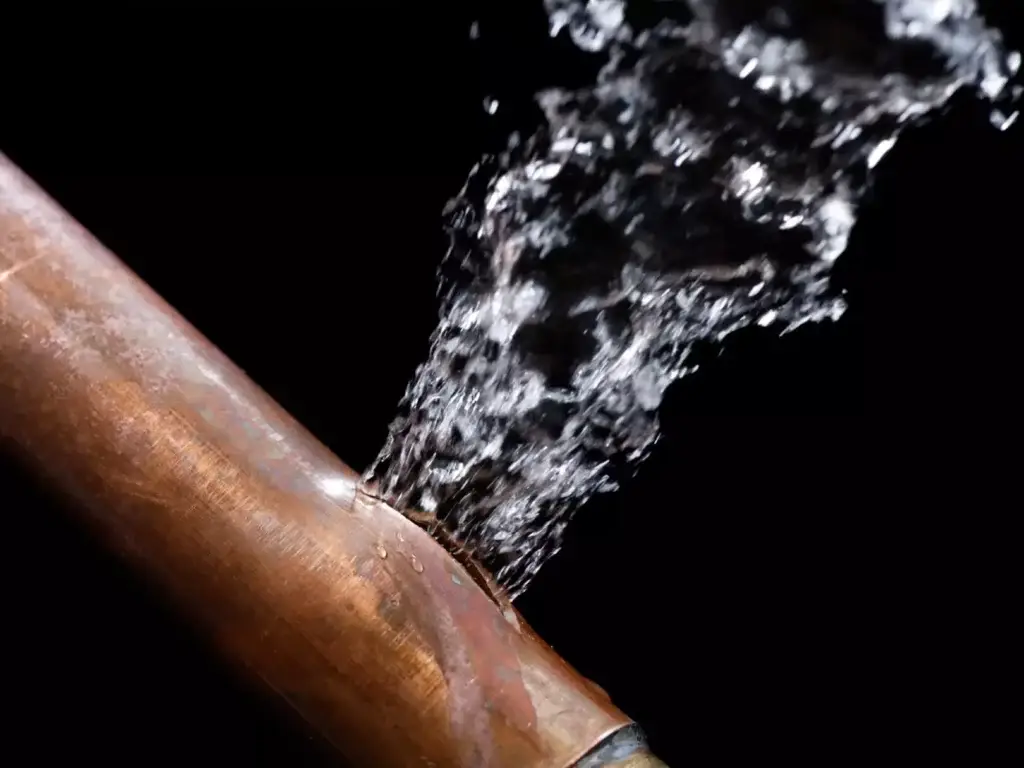
Frozen pipes burst because ice expands, and the flood often appears only when the ice thaws. Here is exactly what to do right now, how to thaw safely, and how to stop it happening again.
A burst pipe in the middle of a cold snap is one of the most stressful things that can happen in a home. Water appears where it should not, ceilings start to stain, and the pressure to act quickly can make it hard to think clearly. The good news is that the first few minutes are almost entirely within your control, and the actions that matter most do not require any tools or plumbing knowledge. This guide walks you through what to do right now, explains why freezing weather causes pipes to burst in the first place, and shows you how to thaw a frozen pipe safely and prevent the whole thing happening again.
If you are reading this while water is actively coming through a ceiling or pouring from a pipe, skip straight to the immediate steps below, deal with the water first, and come back to the background reading afterwards. If you would rather have a trained pair of hands on the way while you work through it, our emergency plumber in London service can talk you through isolating the water on the phone and give you an honest arrival window rather than a vague promise.
Why frozen pipes burst (and why the flood often comes later)
Most people assume a frozen pipe bursts because the ice pushes outwards on the pipe wall until the metal or plastic splits. That is only part of the story, and understanding the full picture helps you react in the right order.
Water is unusual. Most substances shrink as they get colder, but water expands by roughly nine per cent when it freezes into ice. Inside a sealed section of pipe, that expansion has nowhere to go. As a plug of ice forms and grows, it does not simply press outwards in all directions. Instead, it pushes the trapped water ahead of it, and the real damage is done by the enormous pressure that builds up in the length of pipe between the ice plug and a closed tap or valve. Pressure can climb to thousands of pounds per square inch. That is what actually splits the pipe, forces a joint apart, or cracks a fitting.
Here is the part that catches people out. The split often happens while the pipe is still frozen solid, but you may see no water at all at that moment, because the ice is still blocking the flow. The flood arrives when the weather warms up and the ice plug thaws. Suddenly the mains pressure behind it has a clear run through a pipe that now has a hole in it, and water pours out. This is why so many burst-pipe emergencies happen on the first mild morning after a hard frost, and why a pipe that froze overnight but appeared fine can catch you out the following afternoon.
The practical takeaway is simple. If you know a pipe has frozen, treat it as a potential burst even before you see any water, and be ready to isolate the supply the moment it starts to thaw.
What to do right now: immediate steps
Work through these in order. The first three matter most and take under a minute each once you know where things are.
- Turn off the water at the stop tap. This is the single most important action. Your internal stop tap is usually under the kitchen sink, though it can be in a downstairs bathroom, a utility room, an airing cupboard, or near the front door. Turn it clockwise until it stops. This cuts the mains supply feeding the burst and stops fresh water arriving. If your stop tap is stiff, seized, or you simply cannot find it, there is also usually an external stopcock near the boundary of the property, often under a small metal or plastic cover in the pavement or driveway, which you can turn with a stopcock key or sometimes long-nosed pliers.
- Open your cold taps to relieve pressure and drain the system. Once the stop tap is off, open all the cold taps in the house, starting with the lowest ones such as the kitchen and any downstairs cloakroom. This drains the water already sitting in the pipes and relieves the pressure, which reduces how much water escapes from the burst and can limit further splitting. Flush the toilets too, to empty the cisterns.
- Turn off the water heating. Switch off your boiler or immersion heater, and if you have a conventional system with a hot water cylinder, turn that off as well. Heating an empty or draining system can damage the boiler and, in the case of an immersion heater, can burn out the element. Once heating is off, you can also open the hot taps to help drain the system, but keep the heat source switched off first.
- Catch and contain the water. Put buckets, bowls, or a washing-up basin under the leak. If water is collecting in a bulging ceiling, it is often safer to place a bucket underneath and pierce the bulge with a screwdriver to let it drain in a controlled way, rather than let the whole section come down at once. Lift rugs, move furniture and electricals clear, and use towels to steer water towards a hard floor or a drain.
- Think about electrical safety. Water and electricity are a dangerous combination. If water is anywhere near light fittings, sockets, your consumer unit, or is running down internal walls, do not touch switches with wet hands and keep clear of anything that could be live. If in any doubt, turn off the electricity at the consumer unit, but only if you can reach it safely and dry. Never stand in water to operate an electrical switch. If the situation looks dangerous, stay out of the affected area and call for help.
- Call for help and document the damage. Once the water is under control, phone a plumber and, if there is significant damage, take photos and short videos for your insurer before you start cleaning up. For a live burst, our burst pipe repair in London team agrees the price before we travel, so you are not left guessing about cost while you are already dealing with a flood.
How to thaw a frozen pipe safely
If you have found a pipe that has frozen but not yet burst, thawing it carefully can prevent the split from ever happening. The golden rule is to go slowly and gently. Rapid, fierce heat can crack the pipe or its joints and turn a manageable problem into a burst.
First, turn off the water at the stop tap and open the tap nearest to the frozen section. That way, as the ice melts, the water has somewhere to go and the pressure cannot build. It also lets you see progress, because water will start to trickle from the open tap once the blockage clears.
Then apply gentle warmth to the frozen length. Good options include a hairdryer on a low or medium setting, hot water bottles or warm towels wrapped around the pipe, or simply warming the room the pipe runs through. Always start from the end nearest the tap and work back towards the coldest section, so meltwater can escape rather than being trapped behind more ice.
There are a few things you should never do. Never use a blowtorch, a heat gun on full, or any naked flame on a pipe. The heat is too concentrated, it can crack the pipe, and near timber or insulation it is a genuine fire risk. Do not pour boiling water directly onto a frozen pipe either, as the thermal shock can crack it. If the frozen pipe is buried in a wall, runs into an inaccessible loft void, or you simply cannot reach it, that is the point to call a professional rather than force it.
Which pipes are most at risk
Bursts are not random. They cluster in the coldest, least protected parts of a home, and knowing where they are helps you both react faster and prevent future problems.
| Location | Why it is at risk | What helps |
|---|---|---|
| Loft and roof space | Often unheated, poorly insulated, and home to cold water tanks and their feed pipes. Modern loft insulation keeps heat in the rooms below, which leaves the loft itself colder. | Lag all pipes, insulate the tank, and leave the loft hatch ajar during severe cold to let warm air rise. |
| External and outside walls | Pipes run through or against cold outer walls with little between them and the freezing air outside. | Insulating lagging on the pipe run, and keeping cavity and wall insulation in good order. |
| Garages, outbuildings and utility rooms | Rarely heated and often overlooked, yet frequently contain water pipes and outside-tap supplies. | Lag the pipes, drain outside taps for winter, and add background heat if possible. |
| Under floors and in unheated voids | Suspended timber floors and underfloor voids can be exposed to cold draughts from air bricks. | Pipe lagging and draught-proofing without blocking essential ventilation. |
| Condensing boiler condensate pipes | These plastic waste pipes often run outside and freeze readily, shutting the boiler down. | Insulate the external run or reroute it internally where possible. |
The common thread is cold air plus standing water plus no heat. Any pipe that ticks those three boxes deserves attention before winter, not after a burst. Our guide on frozen pipes: how to prevent and thaw goes into more depth on protecting each of these areas.
What the forums actually say
If you spend any time reading through UK home and DIY communities such as r/DIYUK and r/AskUK, a fairly consistent picture emerges about winter bursts, and it is worth knowing because it matches what tradespeople see on the ground.
The strongest and most repeated piece of advice is that everyone in the household should know where the stop tap is and check that it actually turns before an emergency, not during one. A very common frustration in these threads is people discovering, mid-flood, that their stop tap is seized solid because it has not been touched in years. The general consensus is to turn it off and on a couple of times a year to keep it free.
The second recurring theme is caution about DIY thawing. There is broad agreement that gentle heat is fine but that impatience causes bursts, and that boiling water and blowtorches turn a frozen pipe into a flooded room. The third is a healthy scepticism about anyone quoting a firm price for a burst pipe repair sight unseen, because the real cost depends on access, what has split, and how much has been damaged. That aligns with our own approach: we would rather give you an honest range up front and confirm the price once we understand the job than surprise you afterwards.
Insurance: the winter exclusions that catch people out
Most home insurance policies cover escape of water and the damage a burst pipe causes, but winter brings a set of exclusions that catch a lot of homeowners off guard. Read your own policy wording, because the details vary, but the following themes are common across the UK market.
The biggest one relates to unoccupied and unheated homes. Many policies state that if the property is left empty for a period, often around thirty to sixty consecutive days, cover for burst pipes and water damage can be reduced or excluded unless you take specific precautions. Those precautions typically mean either keeping the heating on at a low, constant temperature throughout the cold months, or fully draining down the water system. Turning the heating off entirely to save money while you are away over Christmas is exactly the scenario insurers are wary of, because it is when frozen pipes are most likely.
Insurers may also expect reasonable maintenance, such as pipes in lofts and unheated areas being lagged, and they may question a claim where a lack of basic precautions clearly contributed. None of this means you should not claim; it means the small steps of keeping some heat on, lagging exposed pipes, and knowing where your stop tap is can be the difference between a smooth claim and a disputed one. Keep any receipts and photos, and report a burst to your insurer promptly.
Preventing burst pipes going forward
Once the immediate crisis is over, a modest amount of preparation dramatically reduces the odds of a repeat. None of it is expensive or difficult.
- Lag your pipes. Foam pipe insulation is cheap and easy to fit, and it is the single most effective thing you can do for exposed runs in lofts, garages, and against outside walls. Pay particular attention to the pipe elbows and the tank in the loft.
- Keep a low background heat during cold snaps. Setting the heating to come on at a low temperature, even overnight and even when you are out, keeps pipe runs above freezing far more reliably than switching everything off. During severe cold, opening the loft hatch and any cupboard doors that hide pipework lets warm air circulate.
- Know and exercise your stop tap. Make sure everyone in the house knows where it is and that it turns freely. Test it a couple of times a year.
- Deal with outside taps and condensate pipes. Turn off and drain outside taps before winter, fit an insulated cover, and insulate any external boiler condensate pipe so a cold night does not shut your heating down.
- If you go away, plan for the cold. Either leave the heating ticking over on a frost setting or drain the system down, and check your insurer's requirements for unoccupied properties.
A burst pipe in winter feels like a disaster in the moment, but the outcome usually comes down to how fast the water was turned off and how calmly the first few steps were handled. Turn off the stop tap, open the taps to drain the system, switch off the water heating, protect anything electrical, and contain the water. Everything after that is repair and tidy-up. If you would like the whole thing explained calmly while help is on the way, read our companion guide on what to do first when a pipe bursts, and keep the number of a plumber who agrees the price before travelling somewhere you can find it in a hurry.
Frequently asked questions
Where is my stop tap and which way does it turn?
The internal stop tap is most often under the kitchen sink, but it can also be in a downstairs bathroom, utility room, airing cupboard, or near the front door. Turn it clockwise to close it and cut off the mains water. If it is seized or you cannot find it, there is usually an external stopcock near the boundary of the property under a small cover, which you can turn with a stopcock key.
Why did my pipe burst only when the weather warmed up?
The split usually happens while the pipe is still frozen, caused by pressure building between the ice plug and a closed valve. While the ice is in place it blocks the flow, so you see nothing. When the ice thaws, mains pressure pushes water through the pipe, and it escapes from the hole that formed earlier. That is why so many bursts appear on the first mild morning after a hard frost.
Can I thaw a frozen pipe myself?
Often yes, if you can reach it and go gently. Turn off the stop tap, open the nearest tap, then apply mild heat such as a hairdryer on low, warm towels, or a hot water bottle, working from the tap end back towards the coldest part. Never use a blowtorch, naked flame, or boiling water, as the sudden heat can crack the pipe. If the pipe is buried in a wall or out of reach, call a professional.
How much does an emergency burst pipe repair cost?
It depends heavily on what has split, how easy it is to reach, and how much water damage there is, so any firm figure quoted sight unseen should be treated with caution. Typical UK trade cost-guide ranges for an emergency call-out and a straightforward repair tend to sit in the low-to-mid hundreds of pounds, with more extensive damage costing more. We agree the price with you before we travel, so there are no surprises.
Will my home insurance cover a burst pipe in winter?
Most policies cover burst pipes and the resulting water damage, but winter exclusions catch people out. Cover can be reduced or refused if the home was left unoccupied and unheated for an extended period, often around thirty to sixty days, unless you kept the heating on low or drained the system. Insurers may also expect exposed pipes to be lagged. Check your own policy wording, keep photos and receipts, and report a burst promptly.
Which pipes freeze first in a cold snap?
The pipes most at risk are in unheated, exposed places: loft and roof spaces, runs against external walls, garages and outbuildings, underfloor voids, and external boiler condensate pipes. The common factor is cold air plus standing water plus no heat. Lagging these runs and keeping a low background heat during severe cold are the most effective ways to protect them.