Bathroom and Shower Leaks: How They Are Traced and Fixed
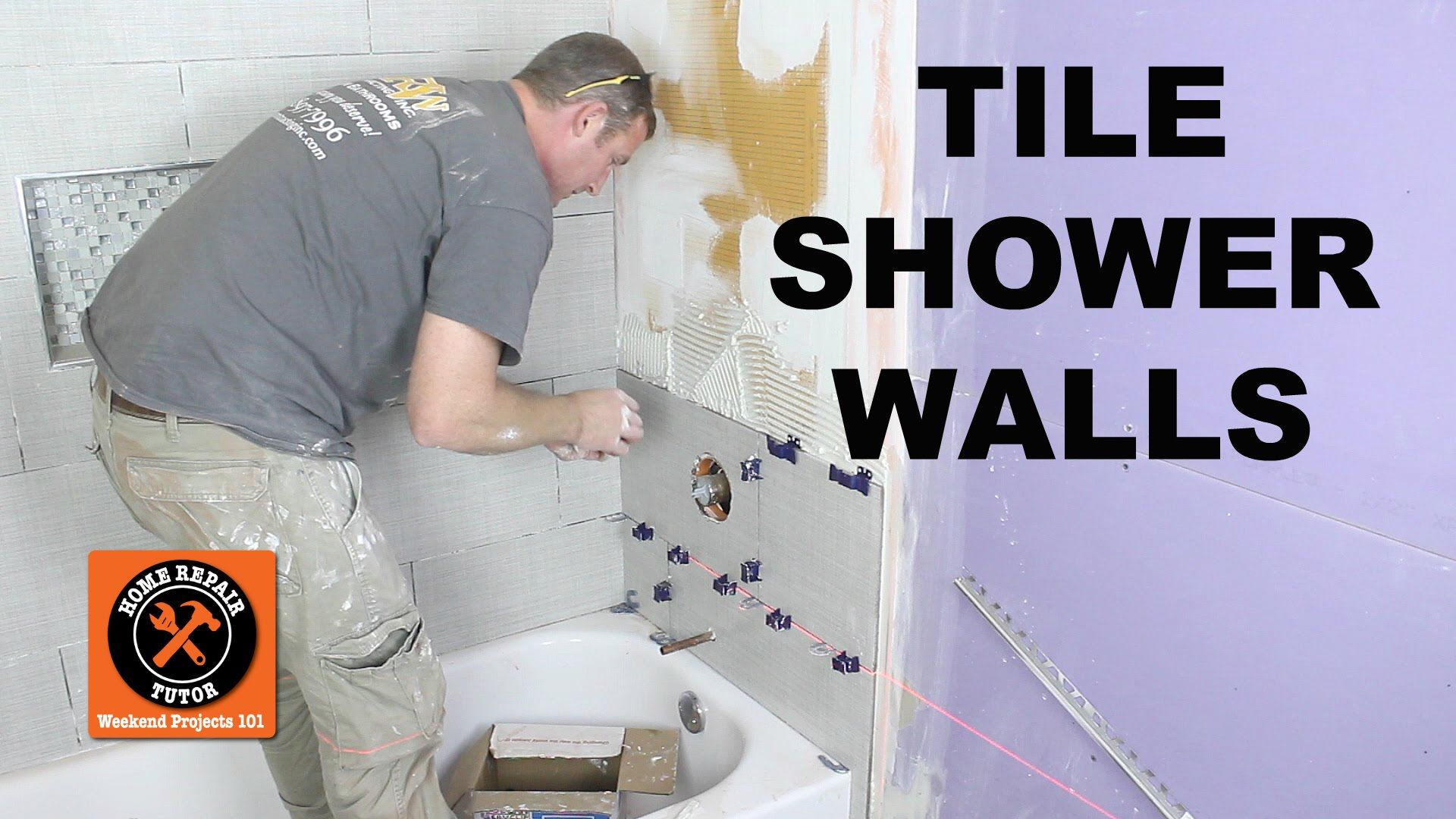
Bathrooms are the single most common source of household leaks, and the hardest to diagnose by eye. This guide explains how shower trays, seals, grout, waste joints and concealed valves fail, why the damage usually appears on the ceiling below, and how a proper multi-method survey pins down the real source before a single tile is lifted.
The bathroom is the most water-stressed room in any home. Every shower, every bath, every flush sends water through joints, seals, waste traps and pipework that sit hidden behind tiles and beneath trays. So it is no surprise that when a ceiling stain appears downstairs, the bathroom above is usually the first suspect. What surprises most people is how difficult it is to work out exactly where the water is escaping. A damp patch on a ceiling almost never sits directly beneath the fault. Water travels along joists, runs down pipe runs and pools before it drips, so the visible mark can be a metre or more from the actual leak.
This guide walks through how bathroom and shower leaks really behave, the difference between a sealant or splashing leak and a pressurised pipe leak, and how a professional survey confirms the source before anyone starts lifting tiles or cutting into a ceiling. If you are dealing with a stain right now, our companion guide on what to do about a damp patch on a ceiling covers the immediate steps.
Why bathrooms leak so often
A bathroom concentrates more plumbing connections into a small area than anywhere else in the house. A single shower enclosure can involve a tray seal, wall-to-tray silicone, grout across dozens of tile joints, a waste trap, a concealed mixer valve, and both hot and cold supply pipes feeding it. Each of those is a potential failure point, and each fails in a different way and at a different speed.
Broadly, bathroom leaks fall into two families, and telling them apart is the single most useful thing you can do before calling anyone out.
Sealant and splashing leaks
These are leaks of water that has already left the pipework and is being used. Shower water sprays onto a failed silicone joint, seeps through cracked grout, or runs behind a tray that no longer seals to the wall. The defining feature is that the leak only appears when that fixture is in use, and often only after prolonged use. A quick handwash produces nothing; a fifteen-minute shower produces a fresh damp patch a few hours later. This category is by far the most common cause of bathroom water damage, and the good news is that it is usually the cheapest to resolve.
Pressurised pipe leaks
These are leaks from the supply pipes themselves, which are under mains or tank pressure around the clock. A pinhole in a copper hot feed, a failed compression joint behind the wall, or a weeping isolation valve leaks continuously, whether or not anyone is using the bathroom. The damage tends to be steadier, worsens over days rather than appearing in bursts, and can produce a warm damp patch if it is the hot feed. Pressurised leaks are less common than sealant failures but more urgent, because they never stop and can saturate structural timber quickly.
A third, quieter category sits between the two: concealed cistern and valve leaks. A slow drip from a fill valve, a perished flush-valve seal, or a hairline crack in a concealed cistern can trickle continuously at low volume, often mistaken for condensation for weeks before the ceiling below finally gives it away.
The usual suspects, and how each one fails
Understanding the typical failure points helps you describe the problem accurately and helps a surveyor know where to focus. Here are the components that most often let water through in a London bathroom.
- Silicone seals. The bead where the tray, bath or basin meets the wall is the first line of defence and the first to fail. Silicone shrinks, splits and pulls away from surfaces over years of thermal movement and cleaning. Once there is a gap, water tracks straight behind the unit.
- Grout. Grout is not waterproof; it is water-resistant, and it relies on the tile adhesive and any tanking membrane behind it to keep water out. Cracked or missing grout lets water reach the substrate, and if the wall was never properly tanked, that water has nowhere to go but into the structure.
- Shower tray seals and bedding. A tray that was not bedded correctly can flex slightly underfoot. That movement breaks the seal at the waste and around the edges, and repeated flexing opens gaps that spray water finds easily.
- Waste pipe joints. The trap and waste run beneath a shower or bath are not pressurised, but they carry every litre that goes down the drain. A loose compression nut, a perished rubber seal or a poorly glued solvent joint will drip each time water passes, which is why these leaks track exactly with usage.
- Concealed mixer and diverter valves. Modern showers often bury the valve in the wall. A failed cartridge or a weeping body seal leaks into the wall cavity where nothing is visible until it emerges elsewhere.
- Concealed cisterns. Wall-hung and in-wall toilets hide the cistern behind a panel. Fill-valve drips, flush-seal failures and cracked cistern bodies leak into the frame and down into the floor void.
- Supply pipework. Copper pinholes, failed push-fit connections and stressed compression joints are the pressurised leaks. In older London properties, decades-old pipework buried in solid floors is a recurring culprit.
Symptom to likely cause
No table can diagnose a leak remotely, but matching the pattern of your symptoms to the likely category is a genuinely useful first filter. Use it to narrow the field, not to reach a verdict.
| What you are seeing | Likely cause | Category |
|---|---|---|
| Damp patch appears only after a long shower, dries out between uses | Failed silicone, cracked grout or tray seal letting shower water track behind | Sealant / splashing |
| Stain grows steadily every day whether or not the bathroom is used | Pinhole or joint failure on a pressurised supply pipe | Pressurised pipe |
| Warm damp patch, sometimes with a faint rise in water use | Leak on the hot supply feed | Pressurised pipe |
| Ceiling mark directly below a shower waste, worse with heavy drainage | Waste trap or waste-pipe joint leaking as water drains | Waste / non-pressurised |
| Slow, persistent trickle behind a wall-hung toilet, no obvious spray source | Concealed cistern fill valve or flush seal weeping continuously | Concealed cistern / valve |
| Loose or lifting tiles, hollow sound, blown grout lines | Long-term water ingress into the substrate behind the tiling | Sealant / substrate failure |
| Musty smell and springy floor near the shower, no ceiling stain yet | Water pooling in the floor void from tray, waste or valve | Mixed, needs investigation |
Why the leak shows up on the ceiling below
This is the point that catches almost everyone out. Water is lazy and follows the path of least resistance. When it escapes in a bathroom, it rarely drops straight down. It runs along the top of a joist, follows a pipe through the floor void, soaks into insulation, or tracks across a membrane until it reaches a low point or a gap, and only then does it drip onto the plasterboard below. By the time you see a brown ring on the ceiling, the water may have travelled well away from where it started.
This is exactly why chasing the stain is a mistake. Opening the ceiling directly beneath the mark, or ripping out the tiles nearest the damp, frequently reveals nothing but the end of the water's journey. The honest consensus you will find across DIY communities such as r/DIYUK and DIYnot is consistent on this: people who guess, seal the most obvious joint and hope, very often find the stain returns within weeks because the real source was never touched. The recurring advice from experienced posters is to stop, isolate whether the leak is pressurised or use-related, and trace properly before cutting into anything. That advice is sound.
How professionals confirm the source
A proper leak survey exists to answer one question with confidence: where is the water actually coming from, before we open anything up. No single test proves a bathroom leak in isolation, which is why a credible survey combines several non-invasive methods and cross-checks them against each other. The goal is to arrive at a conclusion supported by more than one line of evidence.
Isolation and elimination
The first step is often the simplest: work out which category the leak belongs to. Isolating the supply and watching whether the leak continues separates a pressurised pipe fault from a use-related sealant or waste problem. If the damp keeps developing with the water off, the pipework is implicated. If it only appears with use, the focus shifts to seals, grout, the tray and the waste.
Moisture mapping
Non-invasive moisture meters and thermal imaging build a map of where water is and is not sitting behind tiles, walls and floors. Thermal cameras pick up the temperature difference that damp material creates, and capacitance meters read moisture through surfaces without damage. Mapping the extent of the wet area often points back towards the true origin, and it defines how far the damage has spread.
Dye and flood testing
For sealant, tray and waste leaks, controlled testing is the most direct proof. A dyed flood test on a shower tray or a controlled fill of a waste trap reveals whether water escapes and where it emerges, often with a coloured trace that makes the path unmistakable. Sectional testing, wetting one area at a time rather than the whole enclosure, isolates whether it is the tray, the wall junction or the waste that fails.
Tracer gas
For pressurised pipe leaks that are hidden in walls or solid floors, tracer gas is the reference method. A safe hydrogen and nitrogen mix is introduced into the isolated pipework; the small gas molecule escapes through the leak point and rises to the surface, where a sensitive detector pinpoints it to within a small area. This is how a concealed supply leak is located without demolishing a wall to find it.
The reason multiple methods matter is that each one has blind spots. Thermal imaging can be misled by pipe runs and draughts; a dye test tells you a seal fails but not whether a pipe is also weeping; tracer gas finds pressurised leaks but not a splashing tray. Cross-referencing them is what turns a plausible guess into a confirmed diagnosis. Once the source is confirmed, the follow-up work in our water leak repair guide becomes targeted rather than exploratory.
Repair options once the source is confirmed
The right fix depends entirely on what the survey confirms, which is precisely why diagnosis comes first. Repairing the wrong component is the most expensive mistake in this whole process.
- Reseal and re-grout. Where the fault is a failed silicone bead or cracked grout and the substrate behind is sound, raking out and renewing the seals and grout resolves it. This is the cheapest outcome and the most common.
- Waste joint repair. A leaking trap or waste connection is usually a matter of replacing a seal, tightening or remaking a joint, or renewing a short section of waste pipe.
- Tray re-bedding or replacement. A flexing or cracked tray may need lifting, re-bedding on a full mortar bed and resealing, or replacing outright. This is more involved because it disturbs the surrounding tiling.
- Valve or cartridge replacement. A weeping concealed mixer or a faulty fill valve is repaired by swapping the cartridge or valve, with access limited to the smallest opening needed.
- Pipe repair. A confirmed pinhole or failed joint on a supply pipe is cut out and remade, or the affected section is renewed. Because the location is confirmed by tracer gas first, access can be kept to a minimum.
- Re-tanking. Where water has been getting behind the tiling for a long time and the substrate has failed, the correct fix is to strip back, apply a proper tanking membrane and re-tile. It is the largest job but the only durable answer once the waterproof layer is compromised.
What it typically costs
Prices vary widely with access, the age of the property and the extent of damage, so treat these as typical UK trade cost-guide ranges rather than quotes. Renewing silicone seals and localised grout is generally a modest cost, often in the low hundreds of pounds. Waste joint repairs and valve replacements usually sit in a similar bracket, depending on access. Lifting and re-bedding or replacing a shower tray, with the associated tiling, commonly runs into several hundred pounds and upward. Tracer-gas location of a concealed pipe leak followed by a targeted repair, and full re-tanking of a shower, are larger jobs whose cost depends heavily on the specifics. A confirmed diagnosis is what lets any tradesperson quote accurately rather than padding for the unknown.
How we approach a bathroom leak
Our positioning is deliberately simple and honest. We use a non-invasive, multi-method survey, moisture mapping, thermal imaging, controlled dye and flood testing, and tracer gas where pressurised pipework is involved, so that we confirm the source with real evidence before anything is opened up. We work on a no find, no fee basis, so if we cannot locate your leak you do not pay for the detection. The hourly rate is fixed and agreed at the point of booking, so there are no surprises once we arrive. And every survey is documented in an insurer-ready report, which matters because most household policies require evidence of the leak's source and the trace-and-access work before they will consider a claim. You can read more about the survey itself on our leak detection page.
Frequently asked questions
The questions below cover the ones we are asked most often about bathroom and shower leaks in London homes.
Conclusion
Bathroom and shower leaks are common precisely because a bathroom packs so many water connections into such a small space, and they are confusing precisely because the damage rarely appears where the fault is. The single most valuable step is to resist the urge to chase the stain. Work out first whether you are dealing with a use-related sealant leak or a continuous pressurised pipe leak, then let a proper multi-method survey confirm the exact source before any tiles come off or any ceiling is opened. Diagnose once, fix once. That approach spares you the far more expensive cycle of guessing, patching and watching the stain come back.
Frequently asked questions
How can I tell if my leak is from the pipes or just the shower seals?
The simplest test is timing. A sealant, grout or tray leak only appears when the shower or bath is actually being used, and often only after a long run, then dries out between uses. A pressurised pipe leak develops continuously, worsening every day whether or not anyone uses the bathroom, because the supply pipes are under pressure around the clock. If the damp keeps growing with the water isolated, the pipework is the likely cause and it needs urgent attention.
Why is the damp patch on my ceiling nowhere near the shower?
Water follows the path of least resistance. When it escapes in a bathroom it runs along joists, tracks down pipe runs and pools in the floor void before it finally drips through the plasterboard below. The visible stain marks the end of that journey, not its start, which is why opening the ceiling directly beneath the mark so often reveals nothing useful. Tracing the true source with the right methods is the only reliable way to find where the water actually enters.
Do I need to have my tiles ripped off to find the leak?
Usually not. A proper survey is non-invasive first. Moisture mapping, thermal imaging, controlled dye and flood testing and tracer gas are used to confirm the source without damage. Only once the location is confirmed is access made, and it is kept to the smallest opening the repair requires. Lifting tiles blind, before the source is confirmed, is exactly the guesswork that leads to repeated failed repairs.
How much does it cost to fix a bathroom or shower leak?
It depends entirely on what the survey confirms. As typical UK trade cost-guide ranges, renewing silicone and localised grout is usually a modest few hundred pounds, waste joint and valve repairs sit in a similar bracket depending on access, and lifting or replacing a shower tray with tiling runs higher. Concealed pipe location and full re-tanking are larger jobs that depend on the specifics. A confirmed diagnosis is what allows an accurate quote instead of a padded estimate.
Will my insurance cover a bathroom leak?
Many household policies cover the resulting damage and the trace-and-access work needed to find the leak, but they almost always require evidence of the source. That is why a documented, insurer-ready report matters. It records how the leak was located and what caused it, which is typically what an insurer needs before considering a claim. Cover varies between policies, so always check your own terms, but a proper report gives your claim the best chance.
Is a slow, occasional damp patch worth worrying about?
Yes. A slow leak rarely stays slow. Even a small amount of persistent moisture saturates timber, blows plaster, lifts tiles and can lead to rot and mould over time, and the longer it runs the larger the eventual repair. A patch that comes and goes is still an active leak, not condensation to ignore. Getting it traced early, while the damage is still limited, is far cheaper than waiting until the ceiling fails.